Stroke recovery has long been a marathon of repetition — hours of guided movements, a physiotherapist’s steady hands, and the slow rewiring of a brain relearning how to command a limb. Increasingly, that marathon is being run alongside machines, and the people building them argue the results speak for themselves.
Eyal Samuel Shachar, CEO of rehabilitation robotics company Bioxtreme, frames the shift as a genuine turning point rather than a gimmick. In his view, the growing synergy between robotics, artificial intelligence, and human-centered care is what makes the difference — not any single one of those ingredients on its own.
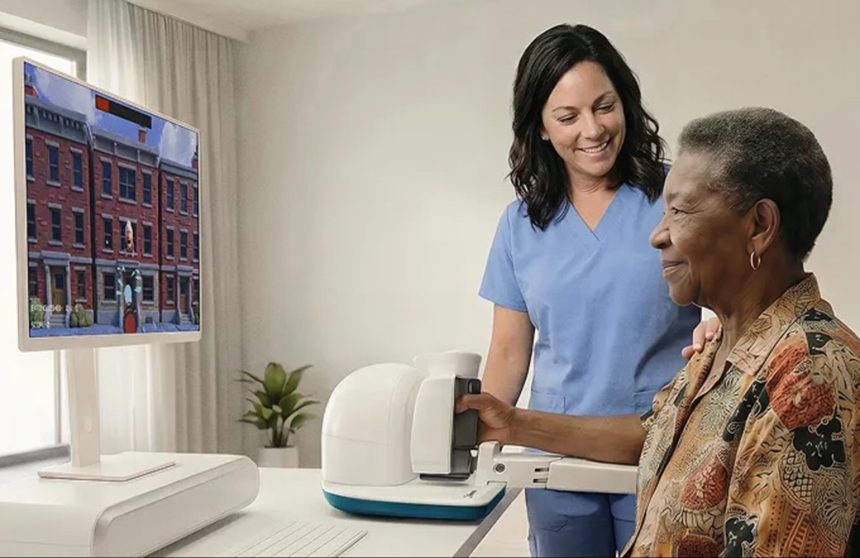
The logic is straightforward once you see how neuroplasticity works. Recovering motor function after a stroke depends on high-volume, high-precision repetition, the kind that reinforces new neural pathways. That is exactly where machines excel: a robotic system never tires, never loses concentration, and can deliver thousands of consistent, calibrated movements in a session. For a human therapist, sustaining that intensity over weeks is physically punishing and, frankly, impractical.
But raw repetition alone is not the story. The interesting part is the AI layer sitting on top of the hardware. Instead of running a fixed program, intelligent rehabilitation systems can read how a patient is performing in real time — how much assistance they still need, where they struggle, how quickly they fatigue — and adjust the challenge on the fly. That adaptive difficulty keeps patients working at the productive edge of their ability, rather than being bored by tasks that are too easy or defeated by ones that are too hard.
Shachar is careful, though, not to pitch this as robots replacing clinicians. The phrase he keeps returning to is human-centered care. The machine handles the grinding, repetitive workload and the data collection; the therapist interprets the bigger picture, sets goals, motivates the patient, and makes the judgment calls that no algorithm should. It is a division of labor, not a takeover.
There are practical payoffs beyond the clinical ones. Automated systems can capture detailed metrics on every session, giving clinicians objective evidence of progress instead of subjective impressions. That data can sharpen treatment plans and, over time, help the whole field understand what actually works. It also opens the door to extending therapy beyond the crowded hospital gym, where access to specialists is a persistent bottleneck.
None of this erases the challenges. Cost, clinical validation, and integration into existing care pathways remain real hurdles, and robotics in rehab is still an evolving field rather than a solved problem. But the direction of travel is clear enough. As Shachar sees it, the future of stroke recovery is not a choice between human therapists and machines — it is the two working in concert, each doing what it does best, in service of getting patients moving again.