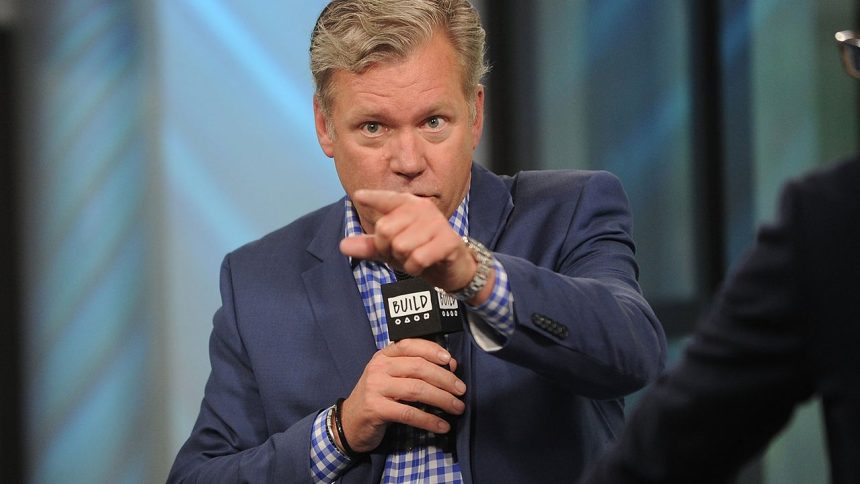
In a move that blurs the line between meta-commentary and shameless self-promotion, Chris Hansen — the man who made To Catch a Predator a cultural touchstone on Dateline NBC — has bought advertising space that will run before every single screening of A24’s Primetime, the studio’s upcoming film about his own rise to fame.
The ads are pitching TruBlu, Hansen’s true-crime streaming platform. So audiences settling in to watch a dramatized version of Hansen’s career will first be greeted by the real Hansen, encouraging them to subscribe to the service he actually runs today. It’s a loop that’s hard to top: the subject of the movie hijacking the movie’s own pre-show to sell you something.
There’s a certain logic to it, and it’s the kind of logic that only works because of who Hansen is. A film built around his public persona guarantees a captive audience already primed to think about him — an ideal crowd for a streaming service trading in exactly the genre that made his name. Rather than let A24 profit from his story alone, Hansen is quietly monetizing the very attention the film generates.
What makes the campaign notable from a media standpoint isn’t the technology — pre-roll cinema advertising is decades old — but the framing. Streaming platforms increasingly fight for eyeballs in crowded territory, and true crime remains one of the most reliably bingeable categories on any service. Hansen, with decades of brand equity in the space, is leveraging a Hollywood production about himself as a marketing funnel straight into his own catalog.
It also raises a genuinely modern question: when a person becomes the basis for a prestige film, who owns the moment? A24 gets the box office and the awards buzz; Hansen gets the branding halo and, thanks to this ad buy, a direct line to convert viewers into subscribers before the opening credits even roll.
For TruBlu, the payoff is straightforward. Every ticket sold for Primetime becomes an impression, and the association between the dramatized Hansen on screen and the real Hansen on the platform couldn’t be more seamless. Few streaming services could pull off a stunt this on-brand, because few are anchored to a founder whose name is the product.
Whether audiences find it clever or cringeworthy, the tactic is a small masterclass in owning your own narrative — literally buying back a slice of the story someone else is telling about you, and using it to sell your own version.