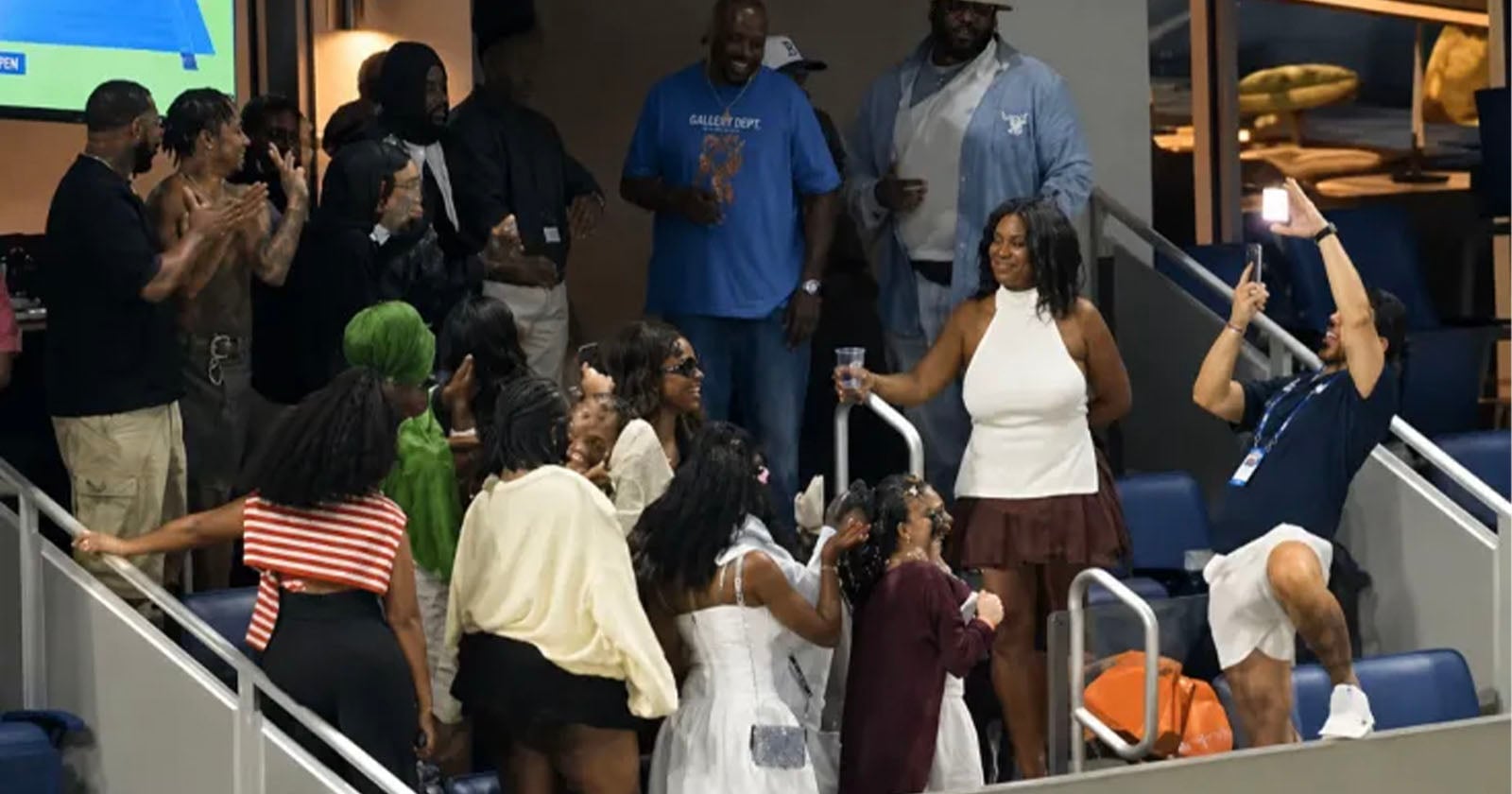
Tennis has a new courtside hazard, and it comes with a ring light. During Naomi Osaka’s first-round match at the 2026 US Open, chair umpire Kader Nouni had to stop play at Arthur Ashe Stadium because a group of influencers had launched an impromptu photo shoot in a hospitality suite while the ball was in play.
“Guys, please, in the suite behind me, thank you guys, please take your seat,” Nouni told the group over the microphone. The timing could hardly have been worse: Osaka and her opponent, Anastasia Zakharova, were locked at deuce deep in the second set when the interruption came. Once order was restored, Osaka struggled with her ball toss, apologized to Zakharova, and lost the point.
The lapse did not cost her the match. Osaka came through 7-6(6), 7-6(3), taking the first tie-break 8-6 and the second 7-3, and moved on to face Czech player Katerina Siniakova in the second round.
Footage of the incident spread quickly and drew a sharp reaction from tennis fans. Clips showed spectators posing for cameras while a bright light shone directly toward the court during play, and one nearby fan visibly grimacing as the group filmed a video. The behavior collided head-on with tennis etiquette, which asks spectators to stay still while the ball is in play and to move around only during changeovers. One creator who posted about the scene complained that ring lights were visible all over the stadium and that both the umpire and the players had made clear it was a distraction.
According to PetaPixel, the influencers appear to have been invited by the tournament itself, presumably in the hope that content creators would bring tennis to a new and younger audience. That strategy now looks like a double-edged sword: the same cameras meant to promote the sport ended up disrupting it, with tournament staff reportedly helping the shoots happen.
It is not the first time cameras have caused trouble at Flushing Meadows. At the 2025 US Open, Turkish photojournalist Selcuk Acar walked onto the court during match point and was ejected from the tournament, later insisting he was the “victim and totally innocent.”
The episode leaves the US Open with an awkward question. Courting social media reach is one thing; letting photo shoots run while a two-time champion is trying to serve is quite another. If tournaments want influencers in the stands, the lesson from Arthur Ashe is simple: the content can wait for the changeover.