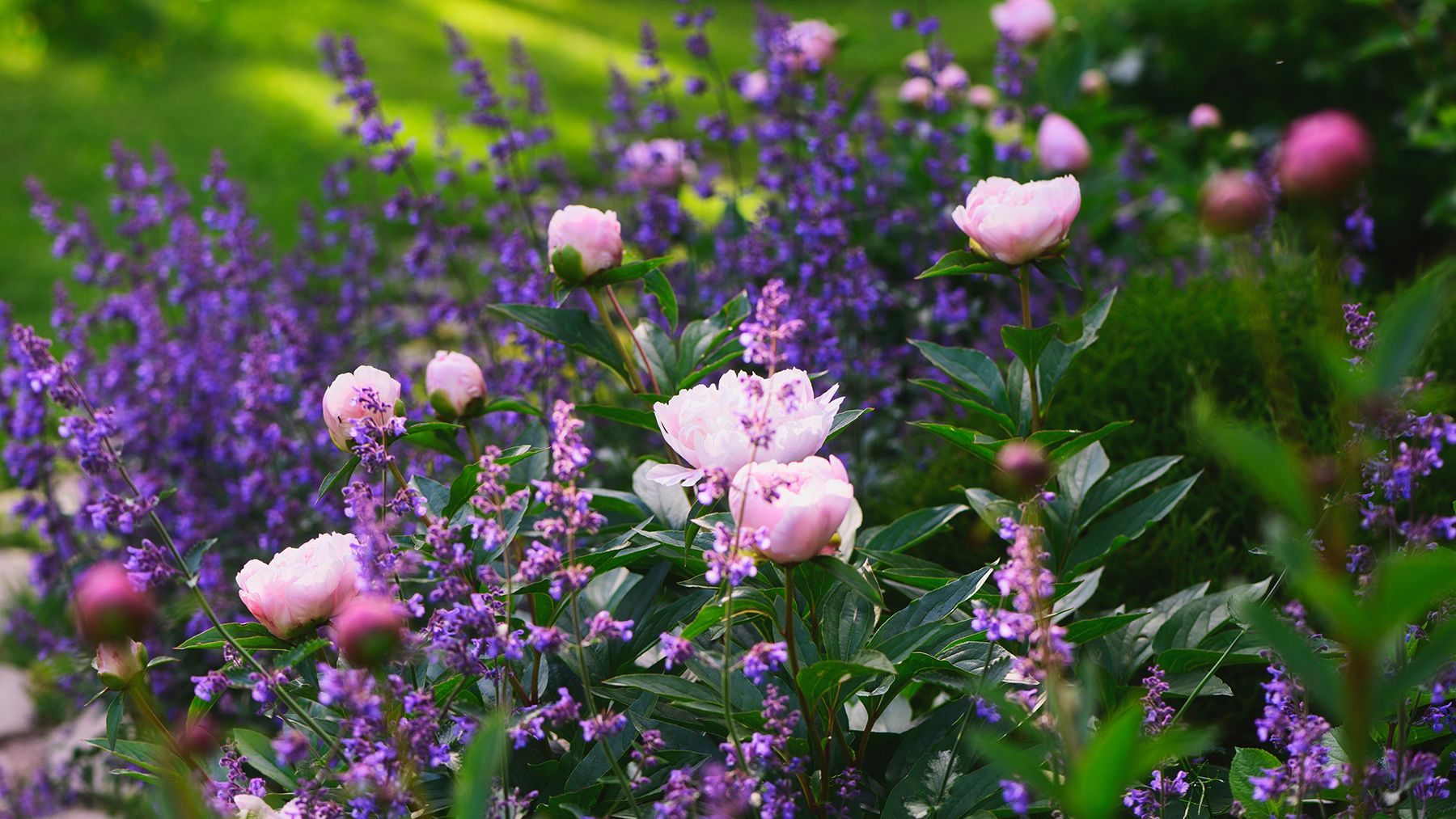
Free hardware is a fantasy. Free plants are not. Lift one overgrown perennial, cut it into pieces, and you walk out of your own backyard with several plants and no nursery receipt — and September is the month the trick works best.
Speaking to Tom’s Guide, Noah Mabey, senior gardener at Thornbridge Hall and horticultural advisor to Platinum Hot Tubs, called it one of his favorite jobs of the year. “Dividing perennials is one of my favorite gardening jobs because you’re essentially getting free plants while also improving the health of the original one,” he said. The calendar is doing the work here: the soil is still warm from summer while air temperatures are dropping, so a split plant gets a window to root before the cold arrives. “This gives newly divided plants an opportunity to establish their roots before winter arrives, helping them get off to a strong start the following spring,” Mabey said.
There is a maintenance argument too. Established clumps get crowded, and crowding costs you flowers. “Dividing them gives each section more room to grow, and the added bonus is that you can fill gaps elsewhere in the garden or give the extra plants away,” he explained. The payoff breaks down three ways:
- Improves health and vigor: Gives roots space to absorb more nutrients and water
- Controls size: Keeps overgrown plants manageable
- Yields free plants: Multiplies your garden stock for free
The best candidates are spring- and summer-blooming perennials: peonies, hostas, daylilies and bearded irises, plus coneflowers, black-eyed Susans, Shasta daisies and yarrow. Some plants will simply not survive the procedure. False indigo and globe thistle run deep taproots; lavender and Russian sage have woody stems that may never recover; lupines and foxgloves are too delicate to risk.
The method Mabey recommends runs to five steps. Lift the whole clump with a spade or fork, keeping as much of the root system intact as possible, then knock off the loose dirt. For tough or larger clumps, slice through with a sharp garden spade — or drive two garden forks back-to-back into the center and lever the sections apart. Delicate plants get gentler treatment: for things like hostas, Mabey often reaches for a pruning saw or a bread knife. Keep every section shaded and moist until it goes into prepared soil with room to spread. Then water generously, aiming for moist rather than soggy.
Two constraints matter more than technique. Get the replanting done at least 4 to 6 weeks before the first frost — critical in colder northern USDA growing zones — so the roots have time to take. And keep watering: the Center for Agriculture, Food and the Environment at the University of Massachusetts Amherst advises maintaining weekly watering until the ground freezes. Skip the sunny afternoon for the job itself; a forecast with a few days of showers ahead does half the aftercare for you.
Division is not the only free-stock route. “September is also a great time to start saving seeds from flowers that are beginning to fade. Instead of deadheading every spent bloom, leave a few healthy flowers to develop seed heads,” Mabey said — which keeps you growing the varieties you already know perform in your yard.