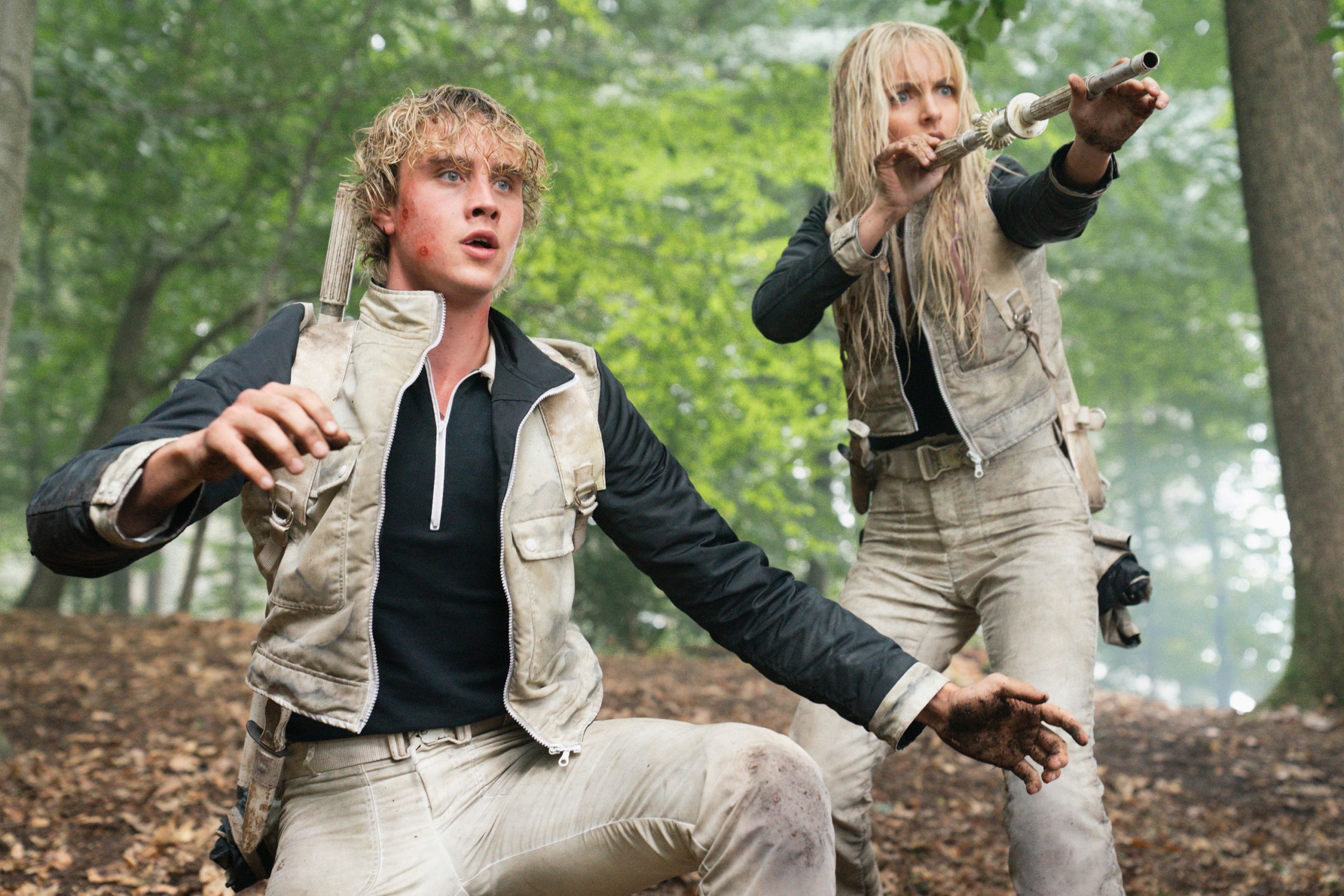
Francis Lawrence has directed enough of Panem to know exactly what fans miss. He joined the franchise with Catching Fire in 2013, and five films later he is back in another spectacular arena for The Hunger Games: Sunrise on the Reaping, the story of the 50th Hunger Games and the origin of Haymitch Abernathy. Lionsgate opens it in theaters on November 20, 2026.
Talking to Polygon behind closed doors after a special preview of footage, Lawrence pitched the sixth film as a “return to form” — and he has a structural argument to back it up. The first two books and films, he explained, run on a template fans internalized: District 12, the reaping, the chariots, the interviews, the games, done. Mockingjay broke it by making the Capitol itself the arena, which “suddenly feels like a different world because it doesn’t feel like games anymore. Now you feel like you’re in a war movie.” The Ballad of Songbirds & Snakes broke it differently — an antagonist’s origin story where the rudimentary games sit in the middle and the protagonist is mostly watching them.
So Sunrise restores the shape, then scales it up. Lawrence described expanding the screen into IMAX-sized proportions to send a chill down the audience’s spine, in the tradition of the aspect-ratio twist he pulled in Catching Fire. The pitch is “scope and spectacle and scale” in an era before Katniss.
The emotional engine is Haymitch himself, tracked from an “optimistic kind of carefree kid” to the bitter alcoholic of the first film — an apolitical young man radicalized into a defender of District 12. Lawrence sees that as the point: “When something’s wrong, you have to stand up. You have to say something. You have to fight.”
Producer Nina Jacobson, who has been with the series since the beginning, said Suzanne Collins gave them the manuscript far earlier in its life than any previous book — so early that the production worked under total secrecy before the novel was even announced. “We were coming here to New York to work with Suzanne and couldn’t tell people why,” Lawrence said. “I couldn’t tell my family.”
The design language is the loudest change. Lawrence said the arena had an Alice in Wonderland quality that led him to Jefferson Airplane’s “White Rabbit,” and from there to the late ’60s and early ’70s as the film’s visual touchpoint:
- President Snow styled like an early-’70s Yves Saint Laurent
- The Studio 54 and Warhol crowds as Capitol society
- Super-young Stevie Nicks and Bruce Springsteen as the District 12 register
Joseph Zada plays young Haymitch, with Ralph Fiennes returning as Coriolanus Snow. Lawrence admits the edit was brutal — the cut ran three and a half hours before trimming — and that the only real fan pressure comes from inside the room: “I don’t think we really listen to fans because I think we are fans.” Ahead of release, all five previous Hunger Games films returned to theaters from September 3 to 7, 2026, each carrying an exclusive look at Sunrise on the Reaping.