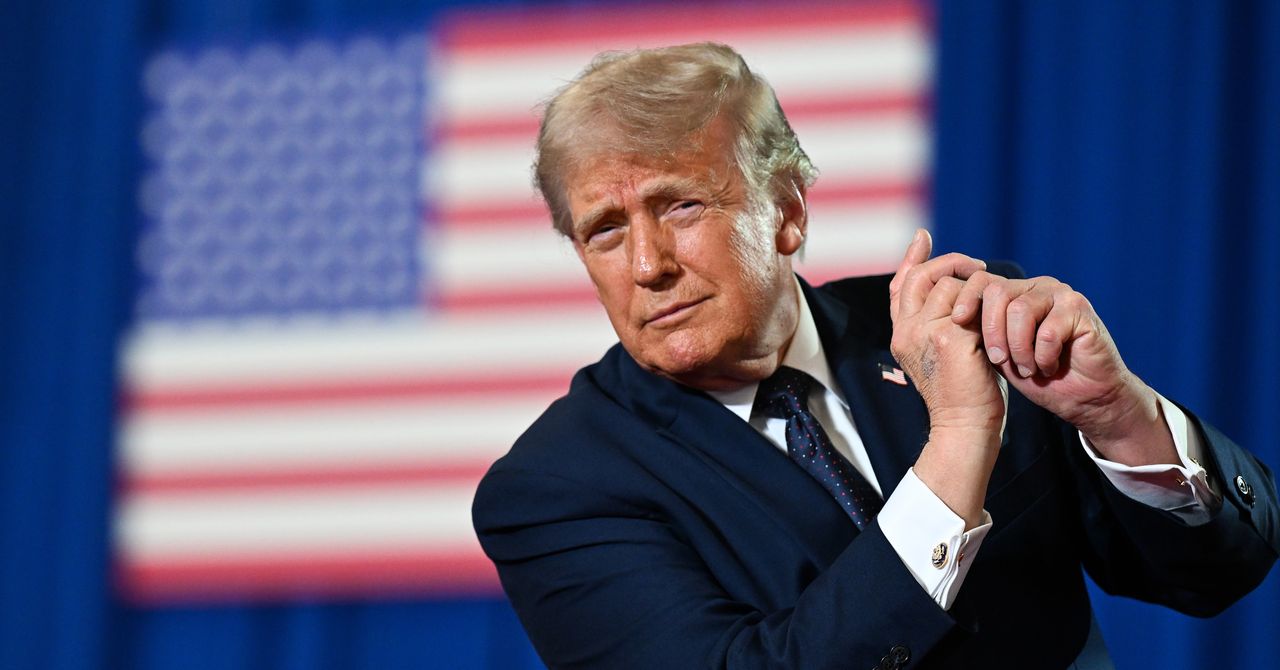
A six-page brief posted by the US Census Bureau on August 18, 2026 claims to have found more than 24,000 noncitizens among the ballots cast in the 2020 presidential election. President Donald Trump amplified it on Truth Social with the words “I WON THE ELECTION.” A WIRED investigation published September 9, 2026 argues the figure is an artifact of how the records were stitched together rather than a count of illegal votes.
The document, titled Noncitizen Voting in the 2020 Election, A Beginning Analysis, carries no author byline. Its conclusion states that the bureau “readily determined with high confidence that over 128 million of these voter records represented citizens, and that over 24,000 of these voter records represented noncitizens at the time of the election. Over 32 million voter records remain to be analyzed.” Table 1 splits that total by state, from 4,300 in California down to “N < 15” in Wyoming.
The plumbing matters more than the headline. The brief rests on the DataClear 2020 commercial voter file, cross-referenced against USCIS immigration records, State Department visa and passport issuances, ICE records, DACA approvals and the Social Security Numident. Everything is fused through the bureau’s Protected Identification Key, or PIK, an anonymous person identifier assigned by its Person Identification Validation System. Where a usable Social Security number exists, PVS verifies it. Where one does not, the system scores name, date of birth, sex and address, and assigns a PIK only once the evidence clears a threshold.
That threshold is where critics say the analysis comes apart. John Abowd, the bureau’s former chief scientist and associate director for research and methodology, told WIRED the report was “statistical nonsense,” and that false match rates run higher with commercial data. “Because the false match rate is much greater than the estimated noncitizen voting rate, the alleged noncitizen voters are more likely to be data errors,” he said. A January 2026 Census study found that “while PIK assignment is generally accurate, some person records are not successfully assigned a PIK, which can lead to sample selection bias in analyses of linked data.”
Three numbers inside the brief show how much slack the method carries:
- Coverage gap. DataClear captures 146,700,000 of the 159,934,200 ballots states reported to the Election Assistance Commission, or 91.7 percent. Utah sits at 74.5 percent, the District of Columbia at 83.1 percent.
- Missing provenance. Only 71.2 percent of the flagged voters link to a USCIS record giving a country of birth. Another 6,900 appear as “Country not reported.”
- No error bars. An appendix sketches the linkage logic, but none of the three tables reports a confidence interval, so the phrase “high confidence” cannot be checked from the outside.
The approval route was unusual as well. The bureau’s disclosure review board signed off on August 7 through an email vote, normally reserved for tight deadlines, and members saw the three tables but not the surrounding analysis, a bureau source told WIRED. WIRED identified four uncredited authors from internal records: Dan Sweeney, a Commerce Department deputy general counsel and formerly the “DOGE legal liaison and deregulatory attorney” at the EPA; Michael Lachanski, named the bureau’s deputy director for data, policy and science on June 12, 2026; and Matthew Jensen and Jeff McCrea of the America First Policy Institute, on loan to government under the Intergovernmental Personnel Act. None responded to requests for comment, nor did the Census Bureau.
Danah Boyd, a Cornell University professor who studies the census, told WIRED the damage runs past this one brief. “They’re putting it out with the imprimatur of the Census Bureau so it looks legitimate,” she said. “But there’s no authors, no methods, no discussions of the limitations of the data, or the Bureau’s approach.”