Silicon Valley is spending billions to teach AI agents to shop for us. Ron Johnson, the executive who built the Apple Store, thinks the industry is overestimating how much of that job people will actually hand to a machine. He also expects physical stores to keep thriving.
“AI is a new technology that will improve the online shopping experience,” Johnson said in an interview with TechCrunch published on September 21, 2026. “But I don’t know that it’s going to change which way we shop.”
The $2,000 laptop test
Johnson’s skepticism lands in the middle of the push toward agentic commerce, the idea that AI agents can handle more of finding and buying things for us. Google is backing its Universal Commerce Protocol, a standard meant to carry an AI agent from product discovery all the way to checkout. OpenAI is turning ChatGPT into a shopping destination where users can research and compare products and, in some cases, buy them without leaving the chatbot.
TechCrunch asked Johnson whether he could picture someone letting an agent pick and buy a $1,000 or $2,000 laptop without ever visiting a website or store. His answer was blunt: “Honestly, nobody’s going to do that.” In his view, a laptop is too personal a purchase to delegate. Buyers want to feel its weight, look at the display and decide which size suits them. AI can narrow the shortlist, but “AI will never be able to have you physically experience a product.” What he expects instead is that agents will produce “more informed shoppers when they come to the store.”
People, not glass
Johnson has heard predictions that physical retail was finished before. He joined Apple in 2000, just as online shopping was taking off. Apple’s first two stores opened in May 2001. From the start they were meant as places to try products, learn how to use them and come back for help when something broke, not just places to buy a Mac.
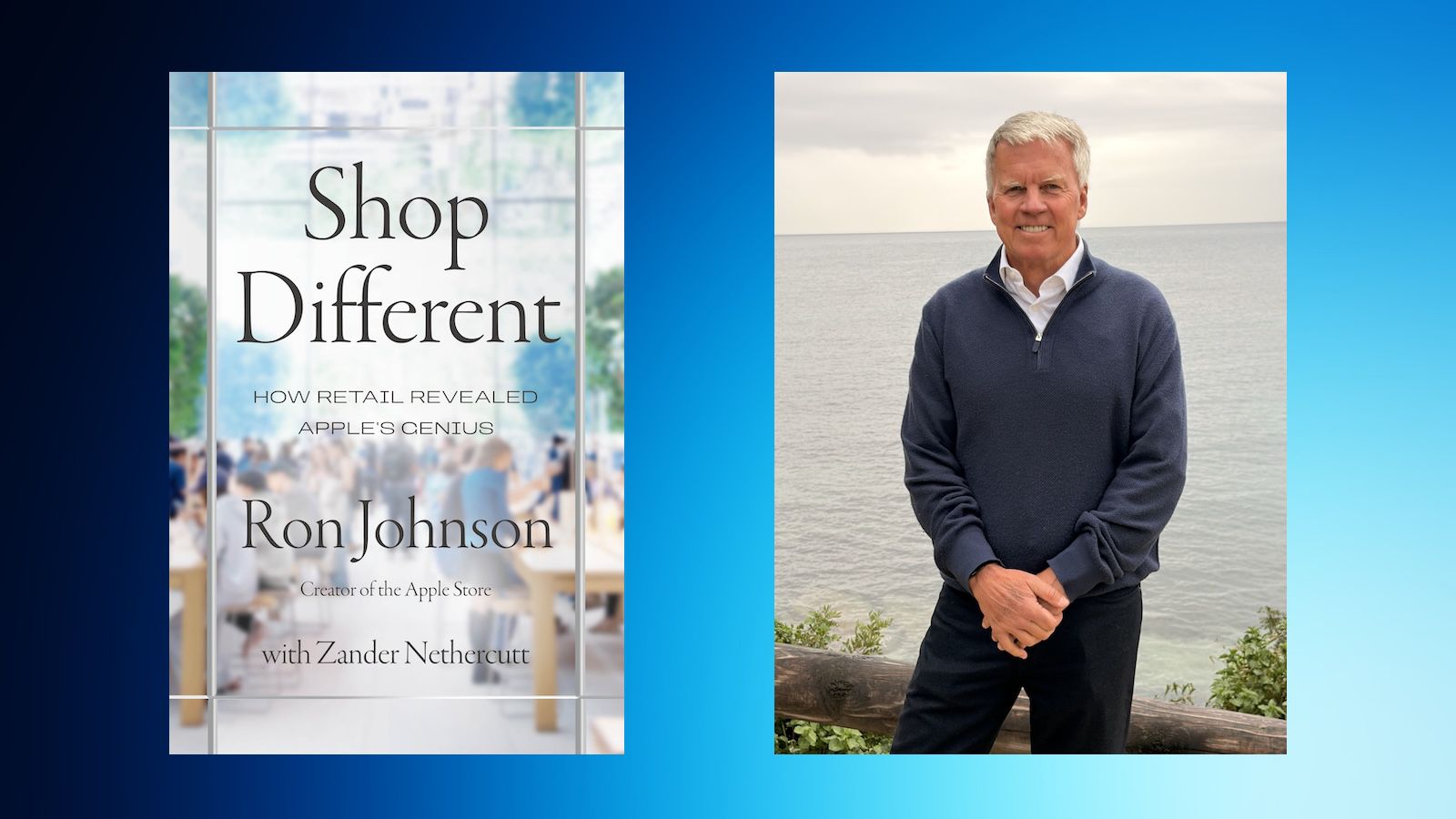
He revisits those bets in Shop Different: How Retail Revealed Apple’s Genius, written with Zander Nethercutt and released on September 22, 2026. Johnson says rivals copied Apple’s glass-heavy architecture, open floor plans and even versions of the Genius Bar, but mostly missed the part that mattered. “The secret sauce for Apple has always been its people, the people in the store, and how they treat the customer,” he said. Apple Store staff are not paid on commission, which is unusual in retail. The goal was to take away the pressure to sell so employees could work out what a customer actually needed.
Lessons from J.C. Penney
Not every chapter went well. Johnson took over J.C. Penney in 2011 with a plan to reinvent the struggling chain and was ousted less than two years later after sales plunged. He now says he changed too much, too quickly, without bringing employees and customers along. “I applied a startup mentality to what needed to be a turnaround transformation,” he said. His next venture, Enjoy Technology, delivered tech products and setup services to customers’ homes. It filed for bankruptcy in 2022 and sold substantially all of its assets to Asurion.
None of this makes Johnson an AI skeptic. “I’m a real believer in AI. I’m an AI optimist,” he said. He believes Steve Jobs would have embraced the technology too, as a tool rather than a replacement for human judgment. “There’s no substitute for human intuition.”