Vinyl’s long comeback has attracted the wrong kind of fan. On September 18, 2026, Rehan Ahmed, 40, of Southall, west London, was jailed for three and a half years at Inner London Crown Court after City of London Police uncovered what it called the largest seizure of counterfeit records ever found in the UK. Between 2017 and 2024 the operation brought in £2.7 million by selling knock-off pressings of albums by Ed Sheeran, The Beatles, Taylor Swift and others.
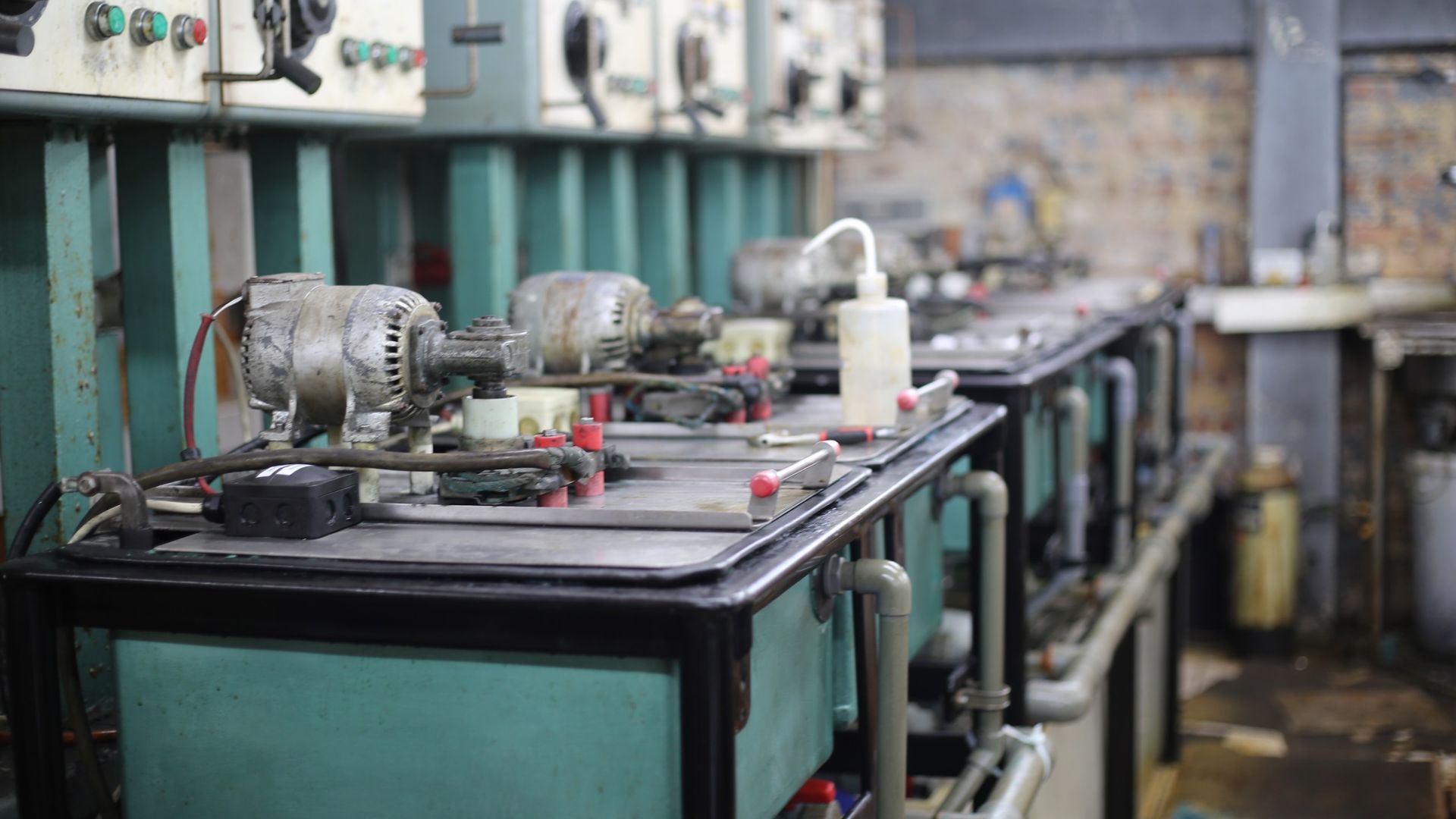
The scale of the kit is the striking part. Out of an industrial unit in Acton, west London, trading as Phoenix of Vinyl, Ahmed ran four vinyl presses, each around 70 years old, and copied legitimate releases. The police raid in February 2024 also turned up 3000 metal stampers plus thousands of sleeves and centre labels, and in total 18 tonnes of evidence was seized. City of London Police described it as “a long‑running, highly organised and entirely unlicensed manufacturing operation capable of producing counterfeit recordings at a scale rarely seen in the modern music industry.” When the labels went through the seized stock, every title turned out to infringe copyright, and 108 artists were affected.
The case came to the police from the British Phonographic Industry (BPI), which referred it to the force’s Police Intellectual Property Crime Unit (PIPCU). In an interview with What Hi-Fi?, Peter Ratcliffe, the BPI’s Director of Content Protection, said the format is paying the price for its own success: “After 18 consecutive years of growth in vinyl LP purchases in the UK (and likely to be 19 after this year), it’s sadly inevitable that some people with more sinister motives will try to exploit this demand and the love people have for the format.”
Acton was far from the only case:
- Since 2025, Ratcliffe’s unit has seized 600,000 units with an estimated value of around £8 million.
- That figure leaves out the nearly £3 million worth of stock taken in the 2024 Acton raid.
Ratcliffe does see some progress. He credits “some notable successes” to “improved field intelligence and operational processes as well as greater industry collaboration”, and says the BPI hopes “the problem is now in decline or at least is becoming contained”.
Why a cheap bootleg costs more than it seems
For listeners the risks are concrete. Counterfeit pressings usually sound worse than the real thing, and a badly made disc can damage a turntable. The money also bypasses everyone who made and sold the music. Ratcliffe says fake vinyl and CDs deny “artists and the record labels that support them significant revenues that rightly should go to them”, undermine the retail community and “cheat fans out of an authentic experience”. He adds that the “ill-gotten proceeds tend to fund other forms of criminality that can impact us all”.
Avoiding fakes mostly comes down to where you shop. Mark Burgess, owner of Flashback Records, says that “reputable record shops do not get approached by the counterfeiters” because the records are “poor quality and illegal”. In his words, “You’ll find these counterfeits at markets and boot fairs.” So if a sealed copy of a chart album is going for a suspiciously low price at a weekend stall, it’s probably safer to leave it there.