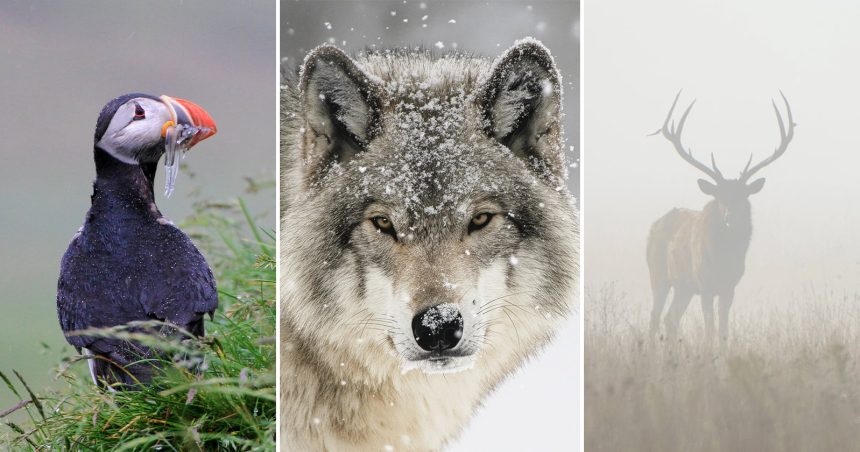
Ask any seasoned wildlife photographer about their favorite images, and there’s a good chance the story behind them involves misery — driving rain, ankle-deep mud, biting cold, or a storm rolling in just as the light turned electric. That’s the counterintuitive truth at the heart of a new PetaPixel essay published on July 26, 2026, in which a photographer distills more than two decades of shooting in extreme conditions.
The core argument is simple: the weather everyone else avoids is often exactly where the best pictures live. When the sky clears and the sun is high, you get postcard shots that look like everyone else’s. When the conditions turn hostile, you get atmosphere — drama, mood, and moments that most people never bother to go out and capture.
There’s a practical logic to this beyond aesthetics. Snow simplifies a cluttered background into a clean canvas, isolating an animal in a way no studio backdrop ever could. Rain adds texture and a sense of struggle. Fog compresses depth and lends images a painterly, almost otherworldly quality. Storm light — that brief, angry glow when sun punches through heavy cloud — can transform an ordinary scene into something unforgettable.
The catch, of course, is that extreme weather is as tough on gear and photographers as it is rewarding. Two decades in the field teach you that patience and preparation matter more than any single piece of equipment. The animals behave differently under pressure too: they hunker down, they move, they react to the elements in ways that create genuine narrative rather than static portraiture.
A few themes run through the piece that are worth carrying into your own outings:
- Embrace the discomfort. The images that stand out are frequently made on the days you’d rather stay home.
- Let the weather do the work. Snow, mud, rain, and storms are compositional tools, not obstacles to be edited around.
- Longevity beats luck. Twenty years of showing up in bad conditions is what separates a lucky frame from a consistent body of work.
It’s a refreshing counterpoint to the gear-obsessed corners of photography. Nobody here is telling you that a new sensor or a faster lens will save your images — the message is that your willingness to endure the elements will. That’s a harder sell than a spec sheet, but it’s also a more durable one.
For anyone who’s spent a morning debating whether it’s too wet, too cold, or too grim to bother packing the camera, the takeaway is bracing: those are precisely the conditions worth chasing. The photographers who win aren’t the ones with the driest boots — they’re the ones still out there when the storm hits.