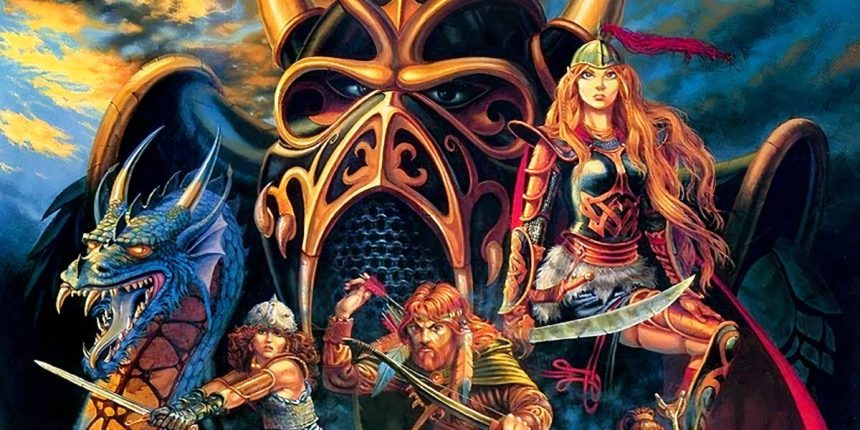
Wizards of the Coast is reaching deep into the history of tabletop roleplaying to build its next chapter. A new initiative called D&D Icons, spearheaded by actor and lifelong dungeon master Joe Manganiello, pairs some of the most celebrated names in the hobby with the current Dungeons & Dragons design team.
The roster reads like a hall of fame. Margaret Weis and Tracy Hickman, the duo behind the beloved Dragonlance saga, are returning to the world they helped define. Joining them is R.A. Salvatore, the author who gave the game its most famous dark elf, Drizzt Do’Urden, across dozens of best-selling novels. These veterans are set to collaborate with today’s designers on fresh products tied to Dragonlance, Greyhawk, and the ongoing adventures of Drizzt.
The idea is deceptively simple: bring the visionaries who built D&D’s mythology into the same room as the people steering it now. Rather than treating classic settings as museum pieces, Icons aims to let their original architects breathe new life into them, guided by modern rules and sensibilities.
According to Wizards, the initiative won’t be limited to a single format. Icons is described as touching everything the game has to offer, including:
- Setting guides that expand and revisit iconic campaign worlds
- Adventure modules for players and dungeon masters
- Accessories and supporting materials
- And, in the company’s own framing, plenty beyond the traditional book
It’s a notable pivot for a franchise that has spent recent years balancing nostalgia with reinvention. Greyhawk, the setting that Gary Gygax originally used as the game’s home base, remains a cornerstone of D&D lore. Dragonlance helped prove that tabletop settings could carry sprawling, character-driven fiction. And Salvatore’s Drizzt novels arguably did more than any rulebook to pull new readers toward the Forgotten Realms.
Handing these properties back to their creators is both a celebration and a strategy. For longtime fans, it’s a chance to see the people who shaped their imaginations working alongside a new generation of designers. For Wizards, it’s a way to anchor future releases in authenticity at a time when the tabletop scene is more crowded and competitive than ever.
Manganiello’s involvement is fitting. A vocal ambassador for the hobby, he has long championed the storytelling roots of the game, and D&D Icons feels like an extension of that philosophy: honoring where the game came from while pushing it forward. Exactly which titles emerge first, and in what form, remains to be seen, but the ambition is clear. This is D&D looking back in order to move ahead.