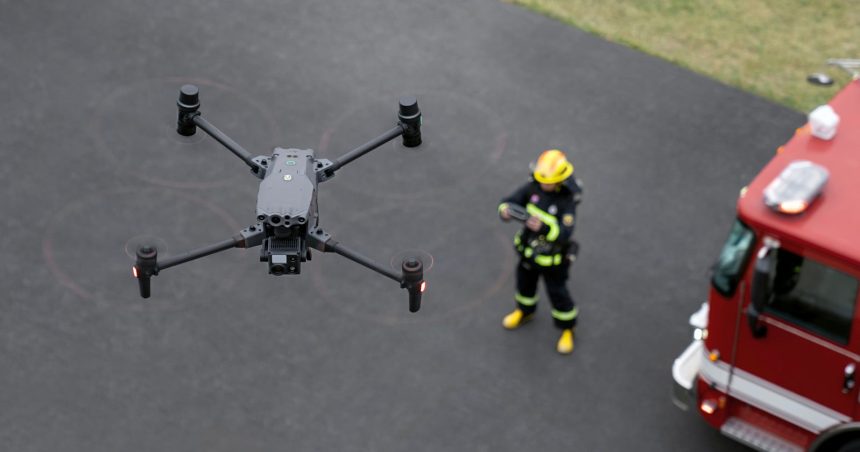
Buying a DJI drone has never been a simple political decision, but it’s about to get a lot more complicated. The Federal Communications Commission is weighing an expansion of its existing restrictions on new DJI drones — and this time, the crosshairs are on hardware that’s already on store shelves and in hobbyists’ hands.
Here’s the twist that has the drone community rattled: the proposal is retroactive. Rather than simply blocking future models from entering the U.S. market, the FCC is considering whether to prevent the sale of DJI drones that were previously allowed. In plain terms, gear the agency once cleared could be pulled back off the market.
The stated rationale is national security. The FCC says it wants to “secure the drone supply chain” by keeping drones equipped with military technology out of American hands. DJI, the Chinese manufacturer that dominates the consumer and prosumer drone space worldwide, has long been a lightning rod in Washington over data and hardware concerns.
What makes this more than a DJI story is the reach. The proposal wouldn’t just affect drones wearing the DJI badge — it also targets rebranded products built on the same underlying platforms, including names like Xtra and Skyrover, among others. If you thought sidestepping DJI by buying a differently labeled clone kept you clear of the debate, the FCC begs to differ.
For now, nothing is set in stone. The commission has opened the proposal to public comment, with the window running through September 2. That means the retroactive ban is still a proposal rather than a rule — a document being argued over, not a done deal. Pilots, retailers and manufacturers alike have a formal chance to weigh in before any decision is finalized.
The stakes are real. DJI’s aircraft power an enormous slice of the aerial photography, mapping, inspection and hobby markets, and a retroactive ban would ripple far beyond a single product line. Retailers holding inventory, commercial operators who’ve standardized on DJI fleets, and everyday enthusiasts who’ve already invested could all feel the effects if the FCC moves forward.
Whether the commission ultimately adopts the expanded restrictions — and how far the “military technology” definition stretches — remains to be seen. What’s clear is that the drone you own today may not be immune to tomorrow’s regulatory turbulence. Anyone with a stake in the outcome has until the comment deadline to make their case.