Ordering takeout in Chicago or Los Angeles now comes with a chance of meeting your courier at knee height. Serve Robotics (Nasdaq: SERV) has switched on autonomous robot delivery for Grubhub, with the little sidewalk cruisers available from more than 100 participating merchants in Chicago and nearly 200 in Los Angeles. The partnership was announced on August 17, 2026.
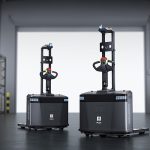
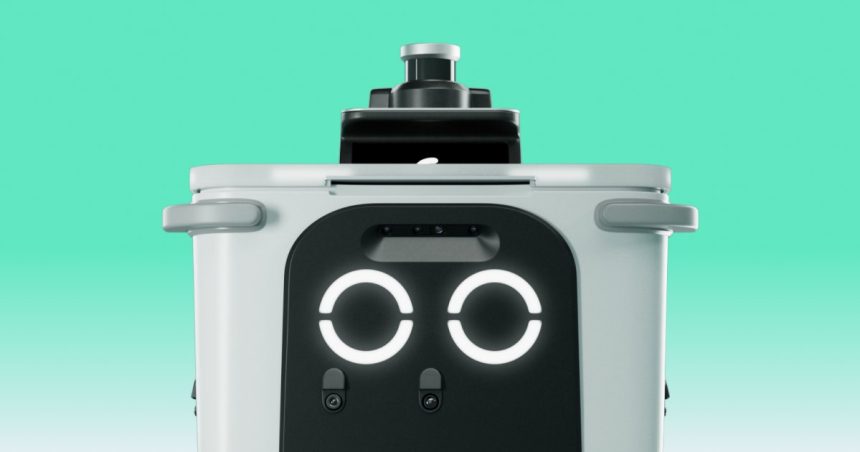
For anyone who hasn’t crossed paths with one yet, Serve’s robot is a boxy, four-wheeled machine designed to trundle along pavements rather than roads. It’s compact but hardly a toy — the unit weighs in at 161 lb (73 kg) and can haul a payload of up to 50 pounds (23 kg), which is more than enough for a hefty group order and a stack of drinks.
Speed is deliberately modest. The robot tops out at 6 mph (10 km/h), a walking-plus pace that keeps it safe among pedestrians while still getting your dinner across a few blocks in reasonable time. Where it really flexes is endurance: Serve claims 12+ hours on a single charge, meaning a single bot can cover both the lunch and dinner rushes without needing to plug in.
The interesting part is how it finds its way. Each robot is a Level 4 autonomous system, meaning it independently navigates most situations on its own, with human operators stepping in only for the tricky edge cases — think crossing a busy intersection. To pull that off, it leans on a serious sensor stack:
- A 360-degree lidar unit for a full spatial map of its surroundings
- Multiple RGB and time-of-flight cameras for reading the scene and gauging distance
- GPS for broader positioning and routing
That combination lets the robot dodge dog walkers, wait at curbs and thread through pedestrian traffic without a driver hovering over every move.
Robot delivery isn’t new territory for Serve — the company has been chipping away at the last-mile problem for years — but tying into Grubhub’s merchant network is a meaningful scale-up. Instead of a handful of pilot restaurants, the rollout instantly opens access across hundreds of eateries in two major American markets. For merchants, it’s another delivery channel that doesn’t depend on the availability of human drivers; for diners, it’s a chance to watch a lidar-topped cooler bring lunch to their doorstep.
The economics are the real story here. Human courier fees dominate the cost of food delivery, and a fleet of self-driving sidewalk bots that can run 12 hours straight is Serve’s pitch for driving that number down. Whether the robots win over customers — and survive the occasional curious passerby — will play out on the streets of Chicago and LA over the coming months.