Most beauty labs test compounds on petri-dish cell cultures, synthetic skin substitutes or, eventually, human volunteers. Outer Biosciences is trying something considerably stranger: keeping actual human skin tissue alive and functional outside the body for weeks at a time, then letting machine learning loose on the data it generates.
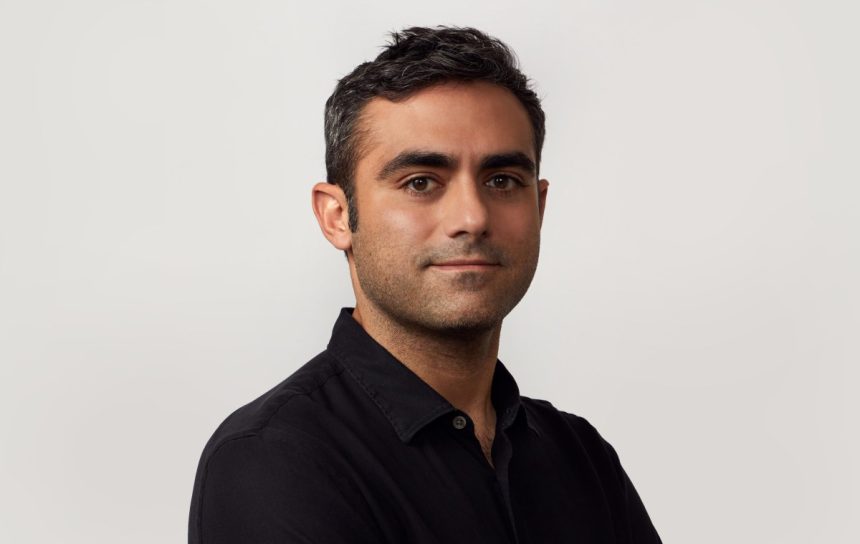
The company behind this approach has been assembled by Michael Polansky — known to the wider public as Lady Gaga’s partner and, before that, as a top lieutenant to Napster co-founder and early Facebook president Sean Parker. Polansky spent years building the startup quietly and is only now stepping into the open about what it does.
The pitch is a fusion of wet biology and predictive computing. Instead of relying on models that only loosely mimic living tissue, Outer works with what it describes as clinically relevant, long-lasting ex vivo skin models — real skin that continues to behave like real skin outside its original owner. That gives researchers something closer to ground truth when they want to know how a candidate ingredient actually behaves.
On top of that biological foundation sits the AI layer. The platform combines:
- Complex, long-lasting ex vivo skin models that stay viable for weeks;
- Multimodal data analysis that fuses different streams of measurement from those tissues;
- Predictive machine learning aimed at surfacing promising bioactive compounds before they ever reach a human trial.
The goal is discovery: identifying new bioactive compounds for skin health faster and with more confidence than the traditional trial-and-error grind. If a molecule looks promising in living tissue and the models can predict its effects, the theory goes, the industry wastes far less time chasing dead ends.
It’s worth being clear about what Outer Biosciences is not. This isn’t a gadget, an app or a jar of cream you can buy. There’s no retail price, no launch date and no consumer packaging — the company remains in pre-launch status. What Polansky has built is a research platform, effectively a discovery engine designed to feed the skincare and dermatology worlds rather than sell directly to them. Think of it as B2B infrastructure for the substances that eventually end up in other people’s products.
That framing matters because the skincare market is awash in bold ingredient claims, many of them validated on shortcuts. A system that pairs genuinely living tissue with modern machine learning is, at minimum, a more rigorous way to separate the compounds that work from the ones that merely market well.
Whether Outer’s living-skin approach becomes the backbone of next-generation skincare or stays a fascinating niche depends on results the company hasn’t yet made public. For now, the story is the ambition — and the unlikely figure driving it.