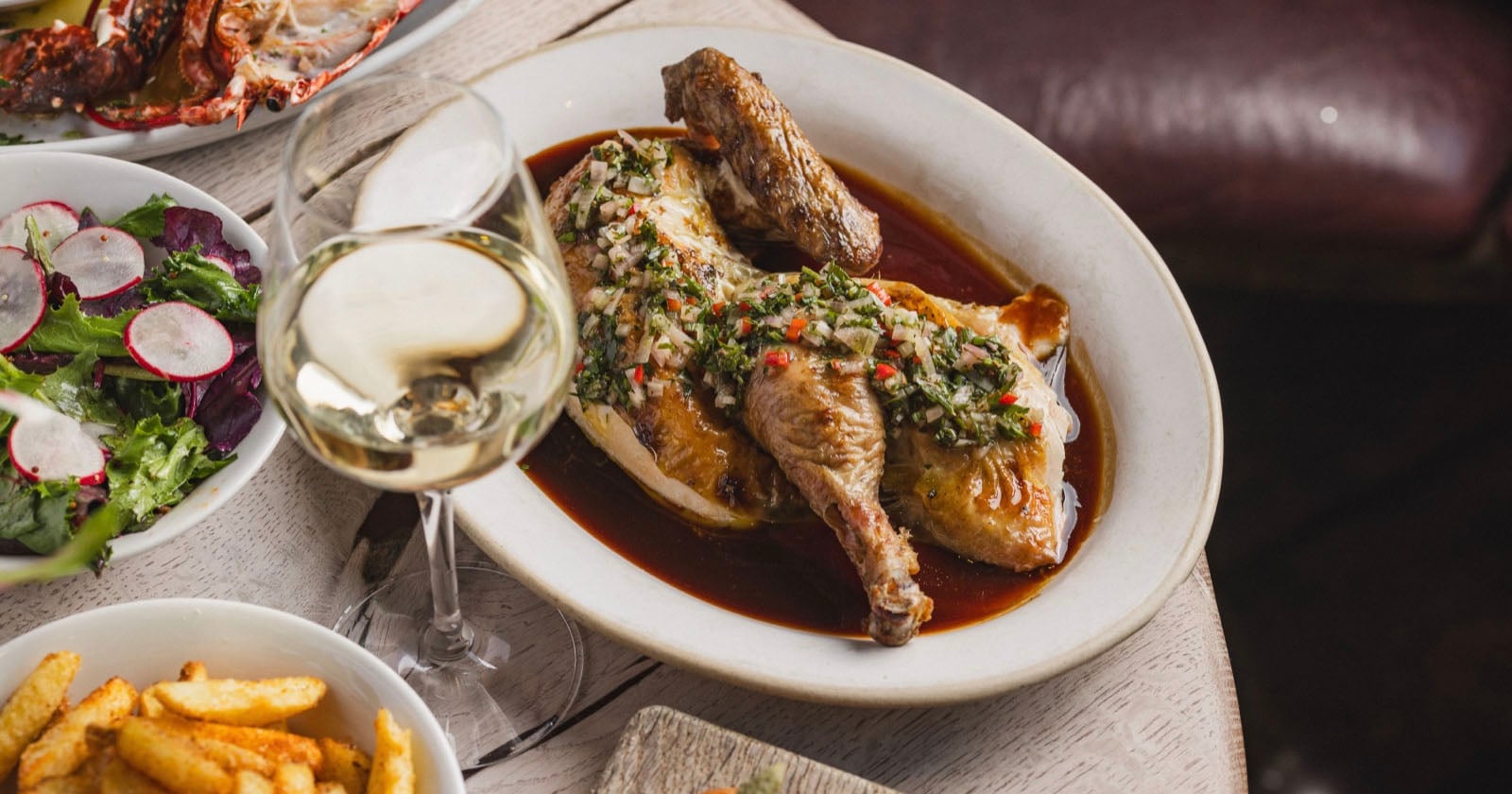
The defence shows up under every batch of dodgy AI-generated food pictures: “Food photography is all pretty much fake anyway. They use fake ingredients and fake techniques.” In a piece published on PetaPixel on September 6, 2026, commercial photographer Ryan Stanikk takes that line apart — and the history he digs up is far more interesting than the slogan.
The tricks were real, once. Advertising of the 1960s and 1970s swapped mashed potato for ice cream, motor oil for syrup, PVA glue for milk, and painted burgers with shoe polish. Then, in 1970, the American regulator ruled against Campbell’s for putting marbles in a bowl of soup to push the vegetables to the surface, and the era of photographing something other than the advertised product began to close. The technical excuse expired too, because modern strobes no longer cook the plate — Stanikk’s Godox AD300 Pro, he notes, runs cold.
What replaced the substitutes is time, not deception. On the old McDonald’s question of why the poster burger looks nothing like the counter burger, the answer was that both used exactly the same ingredients: one was assembled in 45 seconds, the other was given 3 or 4 hours of attention. Stanikk’s own confessions run to hidden cocktail sticks holding a dish together and, once, shaving foam standing in for whipped cream — closer to steaming a shirt before a portrait than to lying.
Generative imagery breaks that logic completely. A photograph is evidence that a specific dish existed and someone cooked it; a generated image is a plausible dish nobody can order. The failures are already comic — Uber Eats listings where a pizzeria’s “cheese pizza” arrived as a dessert pie stuffed with mozzarella, burgers wearing four top buns. A café in San Francisco discovered the cost of that in the summer of 2026, spending over $700 undoing an AI menu display after local mockery and graffiti, and replacing it with photographs of actual pastries.
The numbers behind the backlash are unkind:
- In a peer-reviewed PNAS study, participants scored 48% at telling AI-generated faces from real ones — and rated the synthetic faces as more trustworthy.
- Roughly two-thirds of consumers now say they frequently wonder whether what they are looking at is real.
- 78% of Britons say they would trust a brand less for using AI-generated people in its ads (YouGov, 2,012 UK adults polled July 6–7, 2026).
- LinkedIn added a “Seems like AI slop” reporting button on July 30, 2026.
- In the Association of Photographers’ 2026 survey, 58% of responding photographers had lost commissioned work to generative AI, with average losses of about £34,900 per person — up 142% year over year.
Stanikk is no refusenik: he uses AI for websites, booking tools, pricing calculators, backend systems and spell-checking, and he has built Rumbled, a free tool that reads an image’s file and pixels to say whether AI made it. He simply won’t generate commercial pictures. His test is a good one — it is only truly wrong when it is lazy, when it is trying to fool someone, when it is disingenuous.