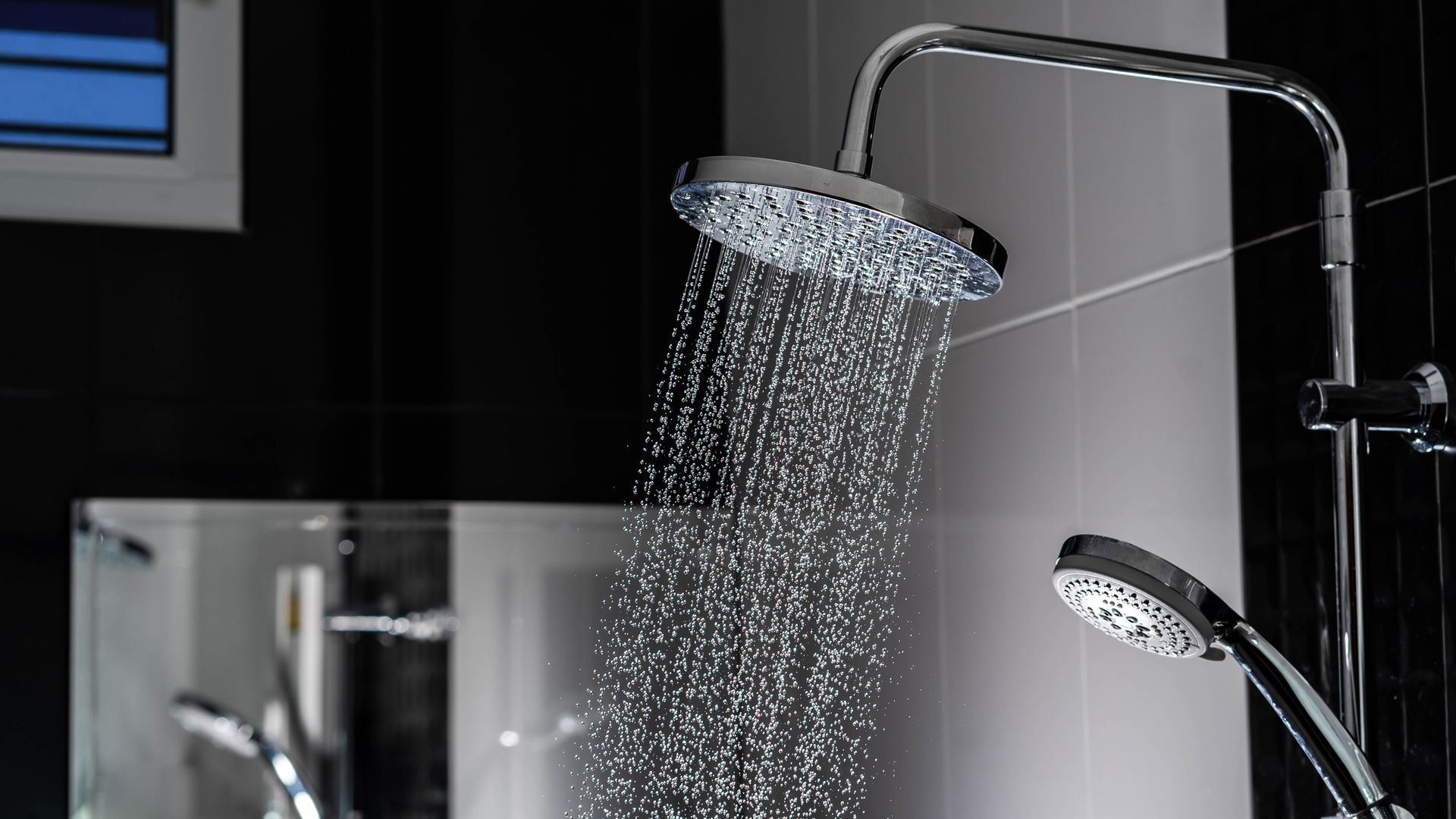
Scrubbing grout every weekend treats the symptom. According to a guide Tom’s Guide published on September 19, 2026, the real source of a lot of bathroom mold hangs right next to the tub: the shower curtain. The fix it recommends is simple. Take the curtain down and fit something that doesn’t hold on to water.
Why curtains breed mold
Vinyl and fabric curtains both have folds and hems. After every shower those folds trap moisture, and they sit in the warmest, dampest part of the house. Spores need exactly those conditions to grow. Ant Langston, a bathroom industry expert at Heat and Plumb, puts the timing bluntly: “Mold can start growing on damp surfaces within 24 to 48 hours in warm and humid air.” Mold can take hold quietly between showers, so a curtain that looks clean may already be growing it inside the pleats.
In short, “Mold grows quickly in warm and damp air,” Langston says, and a bunched-up curtain keeps its folds warm and damp for longer than almost anything else in the room.
The upgrade: glass or Perspex
The article’s main recommendation is to get rid of shower curtains and fit a glass panel or a Perspex shower screen instead. A rigid screen has no seams or folds to trap water, so a quick wipe dries it. It is also far easier to clean than fabric or vinyl, and it tends to make the bathroom look smarter.
If the curtain has to stay
Renters and anyone who can’t fit a screen can still cut the risk with a few habits:
- Choose the right material. Pick washable, mildew-resistant curtains.
- Wash or swap monthly. Follow the manufacturer’s care instructions to keep it fresh.
- Spread it out. Pull the curtain fully open after each shower so it dries quickly and doesn’t stay bunched in damp folds.
- Move the air. Open a window after showering to boost airflow. In a windowless bathroom, run the extractor fan.
A cheap cleaning helper
For keeping a glass screen spotless, Tom’s Guide suggests plain distilled white vinegar. The example it gives is Amazon Saver Distilled White Vinegar, 16 fl oz, listed at US$1 at Amazon. It contains 5% acetic acid, and the article says it cleans shower screens and windows without streaking.
The bottom line
Mold prevention mostly comes down to how fast surfaces dry. A curtain works against you because its folds hold water. A glass or Perspex screen dries in a wipe and gives spores nowhere to hide. If a new screen isn’t possible yet, the next best option is a washable, mildew-resistant curtain that you open out after every shower and wash every month.