Apple is reportedly trying to soften the blow of rising Mac prices and stretched delivery windows, but the underlying problem isn’t one a clever pricing strategy can simply make disappear. The real story sits deeper in the supply chain — specifically, in the global scramble for memory.
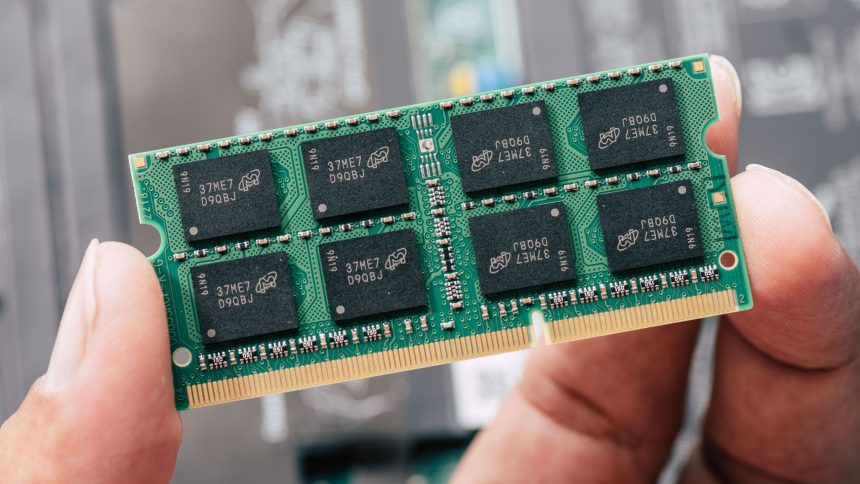
According to analyst commentary, the squeeze on consumer-grade RAM is set to get worse before it gets better. The reason? Data centers. As demand for AI infrastructure keeps climbing, a growing share of the world’s DRAM output is being funneled toward server farms rather than into the laptops and desktops most of us actually buy. Next year, that diversion could intensify — possibly by a lot.
That’s a genuine concern for anyone eyeing a new Mac. When memory becomes scarcer and pricier at the component level, those costs don’t vanish — they get passed along. Higher prices and longer waits for delivery are the visible symptoms of an invisible bidding war happening upstream, where hyperscalers with deep pockets can outmuscle consumer hardware in the queue for chips.
Apple, for its part, appears to be working behind the scenes to manage the risk rather than absorb it quietly. Reports point to lobbying efforts aimed at the White House, framed less as a play to slash prices and more as an attempt to secure supply and steady the flow of components. In other words: this is damage control on the procurement side, not a promise of cheaper machines on the showroom floor.
It’s worth being clear-eyed about what that means for buyers:
- This is supply-chain strategy, not a discount. Any move Apple makes here is about keeping Macs available, not necessarily making them more affordable.
- The pressure is structural. AI-driven data center demand is a long-term trend, not a passing blip, which makes a quick reversal unlikely.
- Consumer hardware competes with servers for the same memory. When margins favor enterprise customers, consumer products tend to wait their turn.
The uncomfortable takeaway is that even a company with Apple’s leverage and cash reserves is, to a degree, at the mercy of forces it doesn’t fully control. Lobbying might help smooth out the worst of the disruption, but it won’t rewrite the basic math of supply and demand for DRAM.
For shoppers hoping the frustration over Mac pricing and delivery delays will ease, the honest answer is: don’t count on it just yet. The memory crunch is shaping up to be one of the defining hardware stories of the coming year, and Macs are caught squarely in the middle of it. If anything, the smart move is to watch how the data center boom evolves — because that, more than any single product launch, will dictate what your next Mac costs and how long you’ll wait for it.