It’s the kind of accusation that gets wildlife killed: farmers blame a vanishing species for chewing through their fields, and out come the traps and rifles. In Honduras, a new study turned the script around — and the gadget that did it was the humble camera trap.
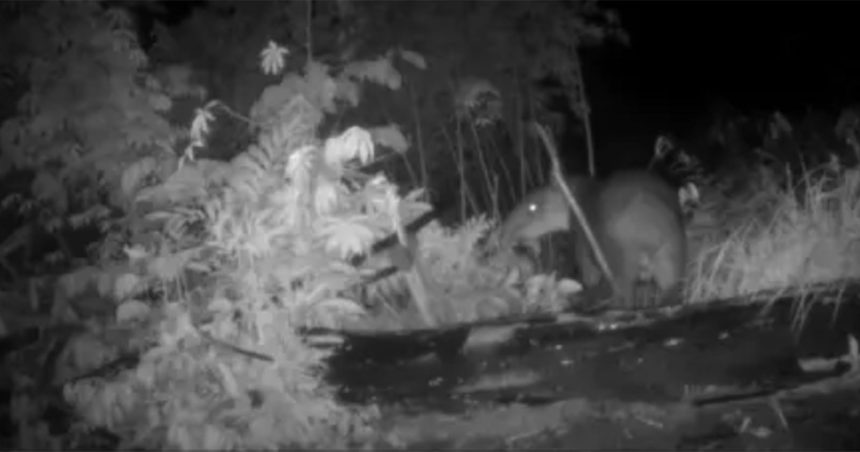
Researchers from the Wildlife Conservation Society set up camera traps around a cassava field to find out who was really behind the damage. The verdict cleared the endangered animal that locals had been pointing fingers at. Instead of relying on hearsay or trampled stalks, the team let the cameras gather the evidence, frame by frame, night after night.
What makes the setup interesting from a tech standpoint is the hardware tweak. The camera traps were fitted with solar-powered, motion-activated LED lights. That combination matters more than it sounds:
- Motion activation means the rig stays dormant until something actually moves through the frame, conserving power and storage instead of recording empty hours of swaying leaves.
- Solar charging keeps the units running in remote farmland where swapping batteries every few days isn’t practical.
- The LED component handles low-light and nocturnal captures — crucial, since the real culprits often work the night shift.
Camera traps have long been a backbone of conservation work, quietly logging species counts, migration patterns and behavior without a human ever scaring the subject off. They’re non-invasive by design: no bait that alters behavior, no researcher crouched in the bushes. The animal simply walks past, and the sensor does the rest.
This Honduras project shows a different use for the same tool. Beyond cataloguing who lives in a forest, the cameras can settle disputes. When a farmer’s livelihood is at stake and an endangered species is the prime suspect, an actual photographic record can be the difference between a misguided cull and a measured response that targets the genuine offender.
It’s a reminder that the most consequential cameras aren’t always the ones in our pockets. A weatherproof box bolted to a tree, sipping sunlight and waiting for movement, can rewrite the story a whole community believes — and in this case, it bought an endangered animal a reprieve it didn’t know it needed.
The broader takeaway for anyone interested in field tech: pairing low-power sensors with solar harvesting and smart triggering turns a passive camera into a reliable, self-sustaining witness. The technology isn’t flashy, but the outcomes — fewer wrongful accusations, better data, living animals — are exactly the kind of result conservationists have been chasing for decades.