Samsung is shuffling the silicon in its cheapest new smartphone, and the shift is more meaningful than it looks. According to a report from ZDNet Korea, neither variant of the upcoming Galaxy A18 will carry an in-house Exynos chip — a break from the outgoing Galaxy A17.
Last year’s split was clean: the Galaxy A17 4G leaned on MediaTek’s Helio G99, while the 5G model ran Samsung’s own Exynos 1330. For the successor, Samsung reportedly hands both jobs to third parties. The Galaxy A18 4G is set to use a MediaTek processor, and the Galaxy A18 5G a Qualcomm Snapdragon chip. Exact model numbers haven’t surfaced.
Why drop Exynos from a phone this size? Almost certainly cost. In the ruthless economics of the sub-US$200 tier, a few dollars per unit decides whether a device ships at all, and sourcing off-the-shelf silicon can be cheaper than keeping a low-end Exynos part in production. It’s a pragmatic call, even if it signals Samsung narrowing where its own chips actually show up.
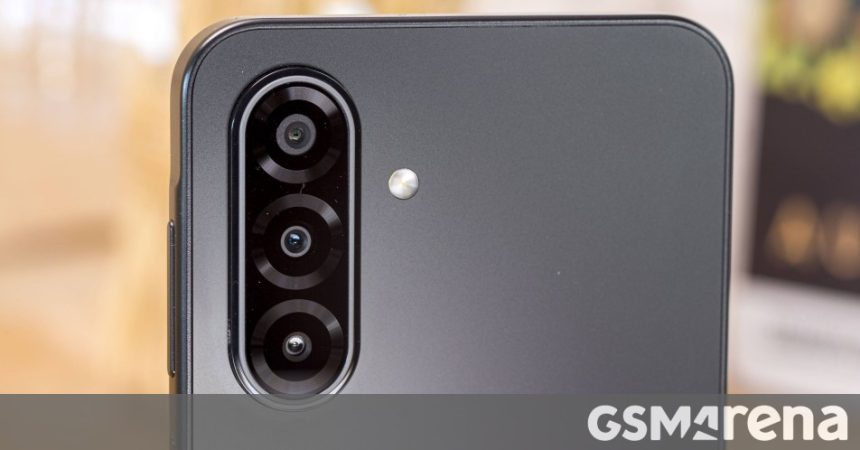
The rest of the A18 leans on the familiar Galaxy A recipe. Expect a 6.7-inch display at 1080 x 2340, a 50MP triple rear camera paired with a 13MP selfie shooter, a 5000 mAh battery, and a base configuration of 4GB RAM with 128GB storage. None of that will win benchmarks, but it’s the sort of dependable spec sheet that keeps the A series near the top of global shipment charts.
Pricing points to the usual budget positioning. The 5G model is expected at US$200, while the 4G version lands at £170 in the UK. That’s entry-level territory, and it explains the chip strategy neatly: at these margins, every component decision is a spreadsheet exercise first and an engineering one second.
On timing, mass production of the 4G model is scheduled to hit assembly lines in August 2026, with the phone expected to debut in the second half of the year. The 5G variant is slated to follow a few months later. Nothing has been officially confirmed by Samsung yet, so treat the finer details as well-sourced expectation rather than spec-sheet gospel.
The bigger picture is what makes this interesting. For years, Exynos has been Samsung’s way of controlling cost and supply on affordable handsets. Handing the A18 entirely to MediaTek and Qualcomm suggests the company is increasingly comfortable outsourcing the bottom of its range — and reserving its silicon ambitions for the phones where custom chips genuinely move the needle.