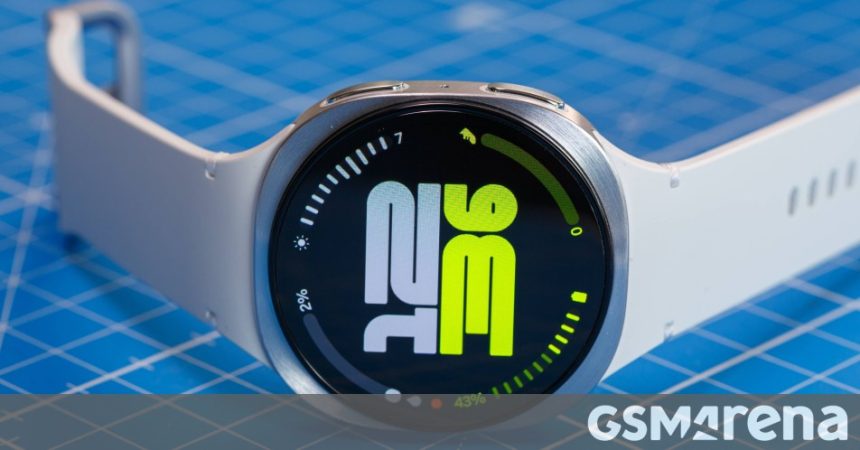
If you’ve been keeping an eye on your Vascular Load readings on a Galaxy Watch in the United States, savour them while you can. Samsung is pulling the feature from its smartwatches stateside, and the exit is tied to a pair of software updates rolling out in late July: Samsung Health 7.0 and One UI 9 Watch.
Vascular Load was one of Samsung’s more experimental health metrics, designed to estimate the strain on your cardiovascular system while you sleep. It’s the kind of forward-leaning number that sounds great on a spec sheet but sits in tricky territory with regulators. The removal is widely believed to be linked to U.S. Food and Drug Administration requirements — the sort of behind-the-scenes friction that often reshapes what wearables are allowed to tell you.
Here’s how the rollout plays out. The Galaxy Watch9 and Galaxy Watch Ultra 2, rumored to be unveiled on July 22, will ship with One UI 9 Watch pre-installed — meaning they arrive without Vascular Load from day one. Older devices, including the current Galaxy Watch 7 and Watch Ultra, will lose the feature gradually as they receive the over-the-air update.
The good news for data hoarders: your existing readings aren’t being vaporised. Once Vascular Load is deactivated, the metric simply stops appearing inside Samsung Health, but the historical numbers remain retrievable. You can pull them down at any time via:
- More options > Settings > Download personal data
It’s a sensible touch — nobody likes watching months of health tracking evaporate because of a software toggle they never chose to flip.
Samsung isn’t leaving a gap where Vascular Load used to be, either. The company is lining up a replacement feature to slot into Samsung Health, though details on exactly what it does haven’t been spelled out yet. Whether it’s a rebadged version of the same idea with a friendlier regulatory profile, or something genuinely new, remains to be seen.
For most casual users, the change will barely register. Vascular Load was never a headline selling point, and its removal doesn’t touch the core heart-rate, sleep or activity tracking that people actually rely on. But it’s a useful reminder that health features on wearables live and die by regulatory approval — and that a metric available in one market can quietly disappear in another. If you’re in the US and you value that data, the smart move is simple: export it before the late-July updates land.