Police departments have a habit of using surveillance technology first and explaining it later — if ever. The ACLU of Massachusetts wants to close that gap, and this week it released an online toolkit that arms criminal defense attorneys with the paperwork to drag hidden surveillance into the open.
The group calls it the first of its kind. At its core are handcrafted legal motions that, once granted by a judge, force prosecutors to disclose whether surveillance tech was used to build a case. The list of targets reads like a catalog of the modern surveillance stack:
- Facial recognition systems
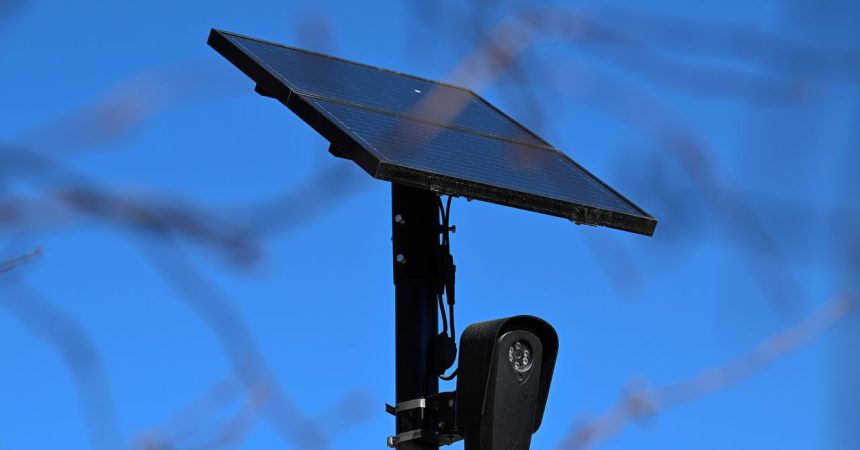
- Automatic license plate readers, including Flock Safety‘s network
- Gunshot detection systems like ShotSpotter
- “Stingray” cell-site simulators that impersonate cell towers to locate phones
- Location data bought from commercial brokers
- AI-drafted police reports such as Axon’s Draft One
- Forensic tools that crack phones and pull data from car infotainment systems
The motions lean on a bedrock 1963 rule of American criminal law: prosecutors must hand over any evidence that could help the defense. They’ll live in a password-protected library open only to verified defense attorneys, and the ACLU is asking lawyers who file them to report back.
Staff attorney Jennifer Herrmann, one of the toolkit’s authors, describes a two-front war — pressuring cities to drop tools like Flock and ShotSpotter outright, and giving lawyers a way to “challenge what has already happened in the past.” The logic addresses a chronic lag: most Americans carried cell phones by the late 1990s, but the US Supreme Court didn’t require warrants for phone location records until 2018. Tools with the worst disclosure records face the fewest rulings precisely because you can’t challenge a system you were never told about.
The abuses are documented. The FBI made police sign secrecy agreements before using stingrays; in Baltimore, one instructed prosecutors to drop cases rather than reveal the device, even as police used it more than 4,300 times between 2007 and 2015. A Georgia man, Randal Quran Reid, was jailed for nearly a week after facial recognition misidentified him — the 2022 warrant credited “a credible source,” not software.
A separate set of preservation motions tackles self-destructing evidence. Draft One discards its AI-written first draft by design; Flock deletes footage after 30 days. Co-author Gideon Epstein notes the ACLU still wants this data gone quickly in general, but once someone faces charges, that same data can clear them.
The timing isn’t accidental. As courts continue to grapple with how the Fourth Amendment applies to emerging surveillance tech, the toolkit ships a geofencing motion straight into those unsettled waters.