Two software updates rolled out on August 19, 2026 have caught Kindle owners off guard — and not in a good way. Rather than adding shiny new features, the changes make Amazon’s e-reader more restrictive, closing a well-loved workaround and hardening the digital locks that already keep readers tethered to the ecosystem.
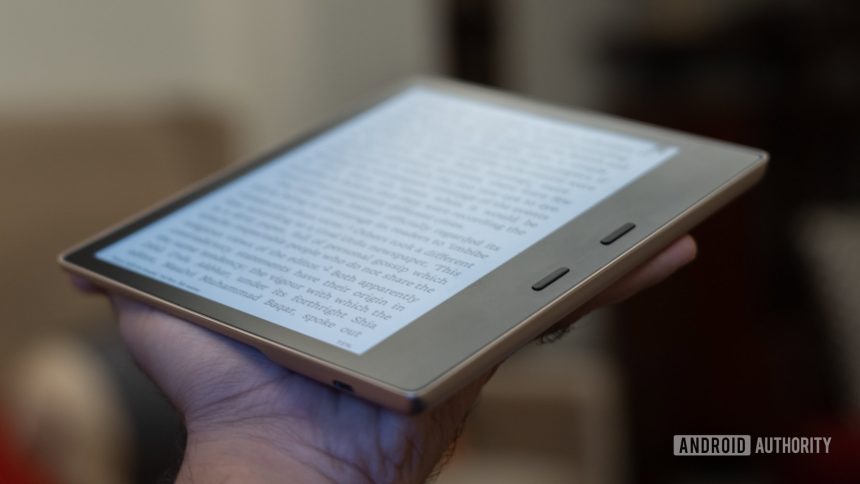
The first change targets the Kindle Oasis, where Amazon has toughened its DRM (Digital Rights Management). DRM is the invisible layer of copy protection baked into ebooks — it dictates what you can and can’t do with a title you’ve bought or borrowed, from moving files between devices to converting them into other formats. Tightening it means fewer options for the people who own the hardware, even when the tinkering is entirely for personal use.
The second update is the one likely to sting hardest for library regulars. Amazon has closed a Libby loophole that quietly let users hang on to borrowed ebooks well past their due date. Libby, the app operated by OverDrive, is the go-to gateway for borrowing digital titles from public libraries. Under the old behavior, a loan that had technically expired could still linger on a Kindle, effectively giving readers unlimited extra time with a book they were supposed to return.
That gap has now been sealed. Once a loan lapses, the book goes with it — no more indefinite grace period, no more finishing that last chapter three weeks after the countdown ran out. For heavy library users who juggled multiple holds and long waitlists, the trick was a genuine convenience. Its removal brings Kindle borrowing back in line with how the system was always meant to work.
Neither update is the kind of thing Amazon tends to trumpet. There’s no marquee feature here, no new screen tech or battery boost to soften the blow — just a pair of quiet, behind-the-scenes tweaks that narrow what owners can do with devices they already paid for.
It’s a familiar tension in the e-reader world. DRM and lending rules exist to keep publishers and libraries happy, but they also remind buyers that a digital book is less a possession than a conditional license. When updates like these arrive unannounced, the friction lands squarely on the people least equipped to opt out: the readers.
If you’ve been leaning on the Libby loophole or planning to sideload content onto an Oasis, the message is clear — those days are over. For everyone else, it’s a reminder that on a connected device, the terms of ownership can change overnight, and usually not in your favor.