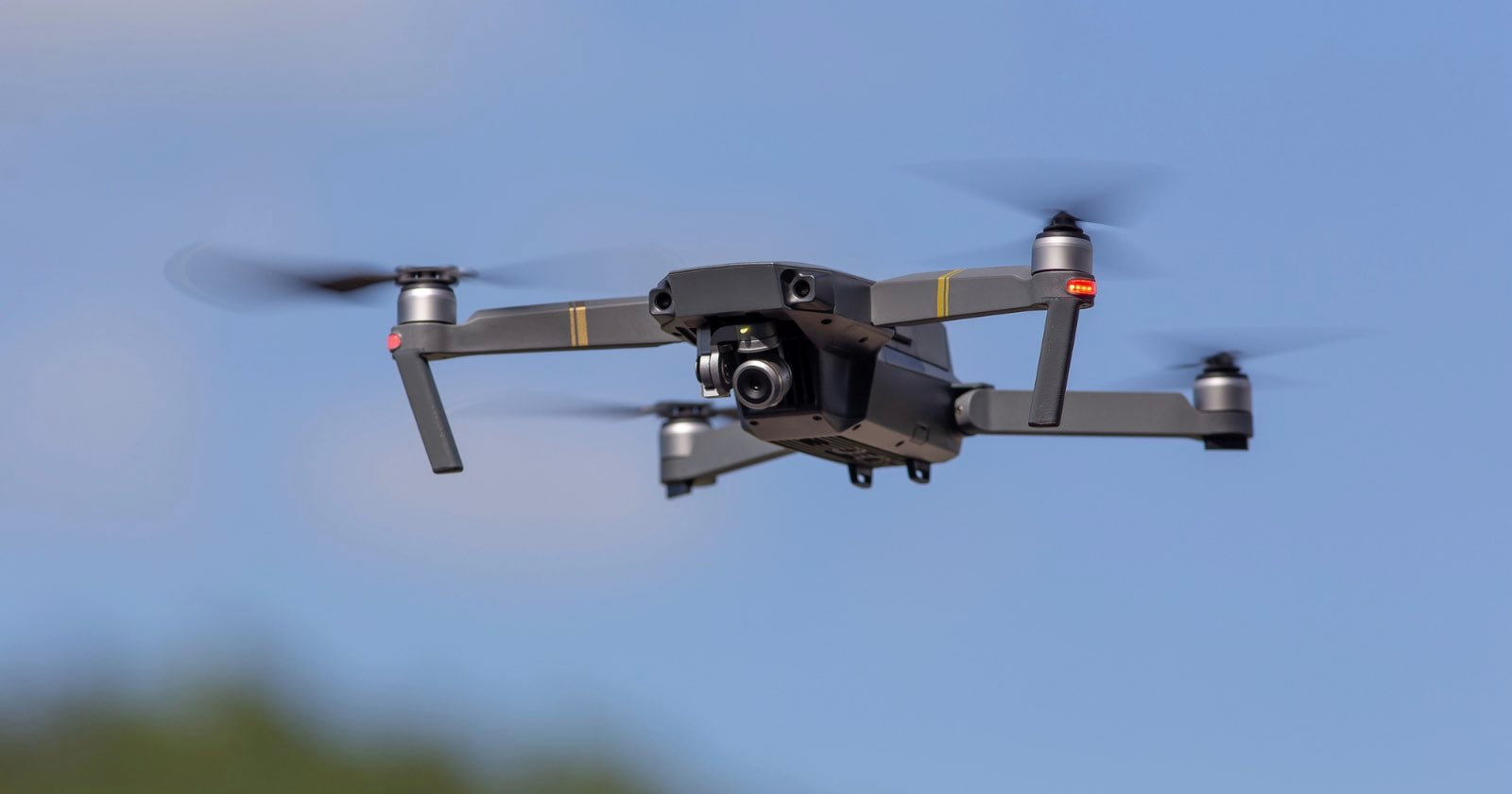
A county drone program that started as a hunt for illegal cannabis grows ended up photographing Californians’ backyards, decks and driveways. A settlement announced by the ACLU Foundation of Northern California on September 2, 2026 has now shut most of it down.
The case, Schmitz v. Sonoma County, was filed in June 2025 by the ACLU Foundation of Northern California together with the law firm O’Melveny & Myers, on behalf of three residents: Nichola Schmitz, Verdusco and Brock. It argued that Sonoma County Code Enforcement and its parent agency, Permit Sonoma, had been flying camera drones over private homes without warrants, violating the California Constitution and a California Supreme Court decision handed down 40 years ago that bars warrantless aerial surveillance of residences.
The scale of the imaging operation is what makes this a photography story as much as a legal one. Since 2019 the county logged 700 drone flights that produced 5,600 photographs, according to Reason. What began as an effort to spot remote cannabis cultivation sites quietly widened into a search for unpermitted decks, trailers, fences, grading, outbuildings and vehicles. By 2023, 70 percent of the flights turned up no cannabis violations at all. The county issued at least $3 million in cannabis-related fines built partly on that warrantless imagery; one plaintiff was hit with $375,000 in fines.
Schmitz, a Deaf resident of a rural farm property, found a county drone hovering over her home and was later fined based in part on footage from that flight.
“No one should have to be afraid to open their blinds or step into their own backyard because a government drone might be watching,” she said in the ACLU’s statement.
ACLU attorney Nick Hidalgo was blunter about the secrecy, saying “the county concealed these unlawful searches from the people they spied on, the community, and the media.”
The agreement rewrites how Sonoma County is allowed to use aerial cameras:
- Code Enforcement is barred from warrantless drone surveillance of homes and the areas around them, except in emergencies or with the owner’s consent.
- Residents must be notified if their home was surveilled by drone.
- Drone footage must be deleted 30 days after collection, or 30 days after an investigation closes.
- Images cannot be shared with third parties unless legally required.
- A revised drone policy goes to the Board of Supervisors for public comment.
- Flight logs are handed to the ACLU every six months for two years.
Each of the three plaintiffs receives $50,000. Three officials tied to the program have left: Permit Sonoma director Tennis Wick, code enforcement manager Tyra Harrington and senior code enforcement inspector Todd Hoffman. County counsel Robert Pittman retired in August 2025.
Board Chair Rebecca Hermosillo framed the outcome as overdue housekeeping: “We need guardrails for this. It was implemented a little bit under the radar, so it’s important that we establish a drone policy.”
Consumer drones made overhead photography cheap enough for a county code office to run its own aerial survey. This settlement is one of the first concrete answers to what that cheapness costs everyone underneath the flight path.