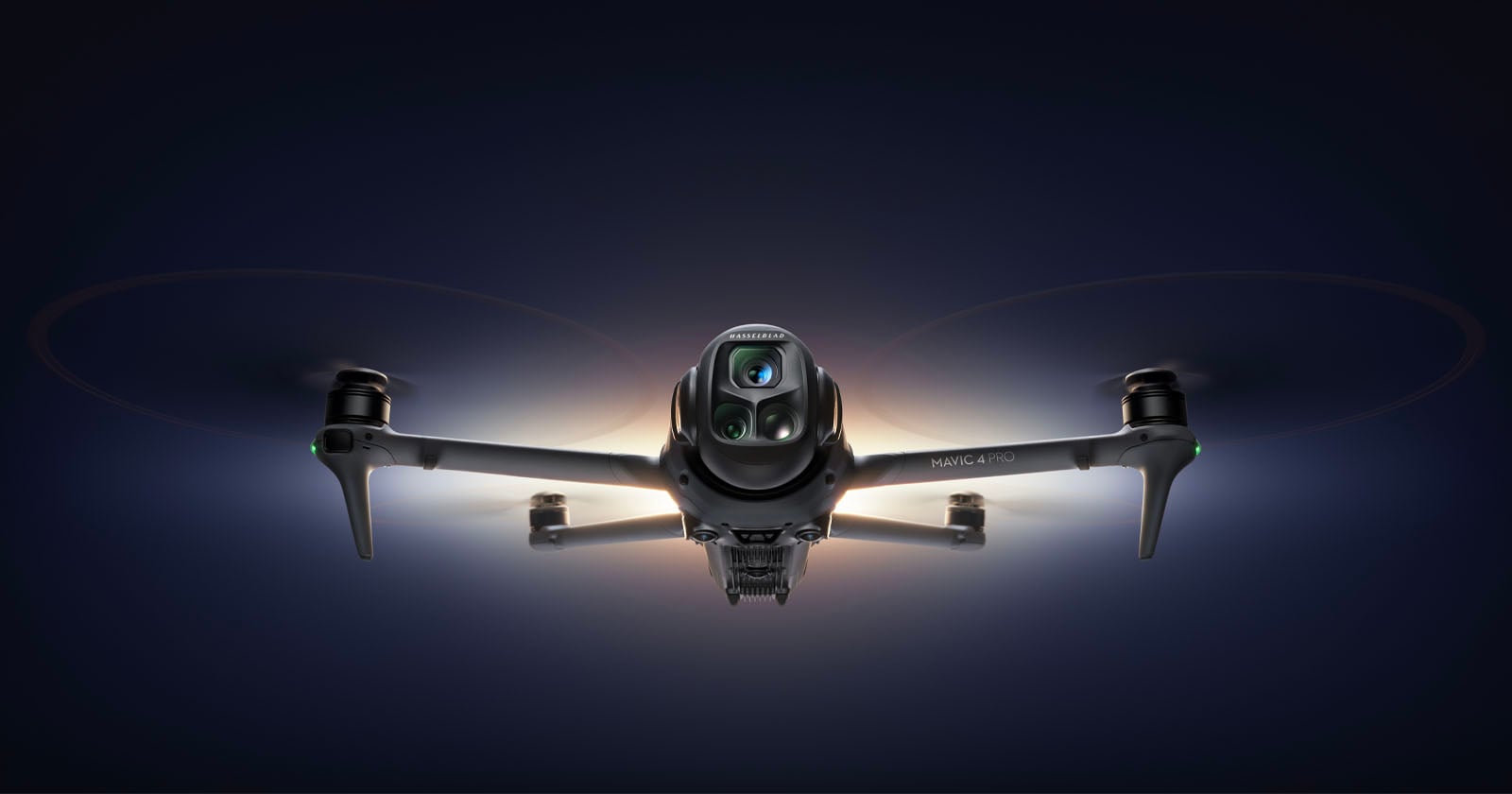
The Federal Communications Commission asked the public what it thought about locking foreign-made drones with thermal cameras, LiDAR and docking stations out of the United States. The public answered in volume, and it answered in one direction.
When the comment window closed on September 2, 2026, the docket held 3,824 comments. An analysis by the flight-training company Pilot Institute, which has trained more than 450,000 airplane and drone pilots, found that 98.6% of them opposed the rule as written. The company published the full record along with 202 verbatim quotes pulled from the filings.
The proposal itself arrived as Public Notice DA 26-758 on July 21, 2026, opening PS Docket No. 26-189. It would impose a total ban on the importation and marketing of foreign-produced “military-grade” uncrewed aircraft systems and their critical components that sit on the FCC’s Covered List. The sticking point is the phrase “military-grade,” which the FCC defined through seven categories:
- Aircraft over 55 pounds
- Chemical sprayers
- Thermal imaging systems
- LiDAR systems
- Automated docking stations
- Bomb-carrying airframes
- Swarming UAS built to fly in coordinated formations, including multi-drone light shows
Six of those seven describe hardware that a farmer, a roof inspector or a search-and-rescue team uses on a Tuesday morning. That is essentially what the record says. Of the 1,584 comments that addressed the scope of the definition, 99.4% argued it reached too far. Exactly four people said it did not go far enough.
The economics drew an even more lopsided response. 1,701 comments engaged with the FCC’s assessment of the rule’s cost, and only one agreed with it. Some 98.5% disagreed with the Commission’s cost analysis, and 41% of all filings specifically warned about damage to small businesses.
Law enforcement showed up in force. The Ohio Chapter of the Law Enforcement Drone Association wrote that “thermal imaging, LiDAR, autonomous flight, and docking capabilities are dual-use technologies employed every day for lawful, lifesaving, and distinctly nonmilitary purposes.” The South Hadley Police Department in Massachusetts argued that “federal policy should address legitimate cybersecurity and national-security concerns while preserving proven public safety technology.”
Operators were blunter. ANC Aerial, LLC filed a line that reads like a bumper sticker: “We support Buy American. We do not support Buy American by market elimination.” Don’s Drones of Denver LLC put it as “trying to use a sledgehammer to kill a fly.”
Greg Reverdiau of Pilot Institute framed who is actually in the blast radius: “We train the people this rule actually lands on: the sheriff’s deputy flying a thermal camera on a night search, the farmer spraying their own fields, the one-person mapping business.”
The FCC was not in a mood to wait. DRONERESPONDERS asked on August 24 to push the deadline to September 30, and the Commercial Drone Alliance backed the request on August 26. The Commission refused, saying that “national security concerns require us to act as expeditiously as possible when deciding on such an important public interest matter.”
DJI, the manufacturer with the most to lose, filed through counsel at Cooley LLP. If the prohibition is adopted, importers, manufacturers, distributors and retailers get 180 days after publication in the Federal Register to stop bringing in and marketing the affected equipment. The comments are in. The decision is not.