Grip strength has turned from a gym footnote into one of fitness culture’s favorite metrics, and for a reason that has little to do with handshakes. Researchers increasingly treat it as a stand-in for overall muscular health, and a yoga instructor has pointed to an underused pose that trains it with nothing more than a mat and your own body weight.
The coach in question is Melissa Leach, a certified yoga instructor and strength and conditioning coach with the Yoga-Go app. Her background is in yoga education, teacher training and holistic lifestyle coaching, drawing on vinyasa and ashtanga. Her tip was published by Tom’s Guide on September 19, 2026, in a piece by fitness editor Sam Hopes.
Why grip matters
Tom’s Guide cites research linking weaker grip to a 45% higher risk of death. The study it links, published in 2024 in the Journal of Strength and Conditioning Research (“Collective Weakness Is Associated With Time to Mortality in Americans”), used data on 14,178 Americans aged 50 and older, collected from 2006 to 2018. People who counted as weak on any single handgrip measure had hazard ratios of 1.33 to 1.45. Those who counted as weak on all three measures (absolute strength, strength relative to body mass and strength relative to BMI) had a 69% higher mortality risk than those who met none.
Leach puts it simply: grip is “a genuine marker of overall muscular strength” and can act as “a snapshot of how your body is aging.” Keeping your hands and forearms strong takes the nervous system, muscles and bones working together.
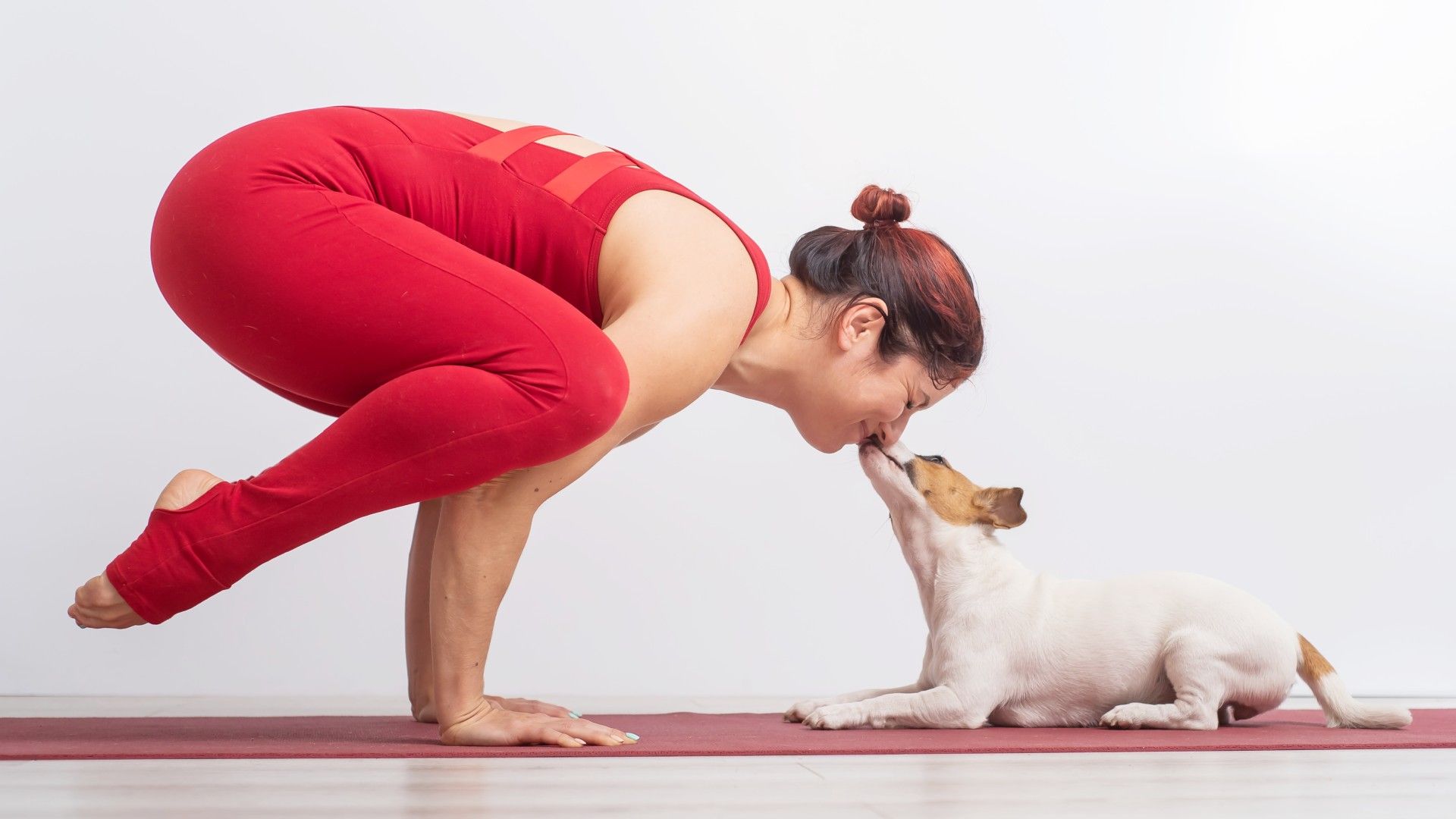
The pose: Crow (Kakasana)
Weightlifting is the obvious route to a stronger grip, but Leach argues that some yoga and Pilates poses can get you there without loading the joints. Crow pose stands out because your hands carry your whole body. In her words, it “forces your fingers, wrists and forearms to engage in a way that most seated or standing poses simply don’t.” Her steps:
- Squat with your feet hip-width apart and your hands planted firmly on the mat, fingers spread wide.
- Bend your elbows slightly and rest your knees on the backs of your upper arms, close to your armpits.
- Shift your weight forward, press through your fingertips and palms, and slowly lift your feet.
- Look slightly forward to help your balance, and keep your core engaged.
- When you’re starting out, hold for 2 to 5 breaths or 5 to 20 seconds. Build up to a minute as you progress.
Making it easier
Leach admits that Crow can feel advanced and may bother some people’s wrists. Her modifications:
- Practice near a wall, or put a block under your head as a safety net.
- Lift one foot at a time to build balance and confidence.
- Put a folded mat or towel under your hands for extra cushioning.
- Start with “crow prep”: come onto your tiptoes with your knees on your arms, but don’t lift off.
A caveat from the source: yoga won’t overload your muscles enough to build maximal strength, so lifting weights still matters. What Crow adds is functional strength, balance and hard-working hands. If you feel pain, stop. If you have an injury or health condition, check with a physician or a yoga instructor first.