We are living through the most photographed moment in human history — and paradoxically, that is exactly why deliberate street photography suddenly matters more than ever. That is the argument documentary photographer and educator Steve Simon lays out in a new essay published July 11, 2026, and it lands with unusual force in a year when a convincing image can be conjured from nothing.
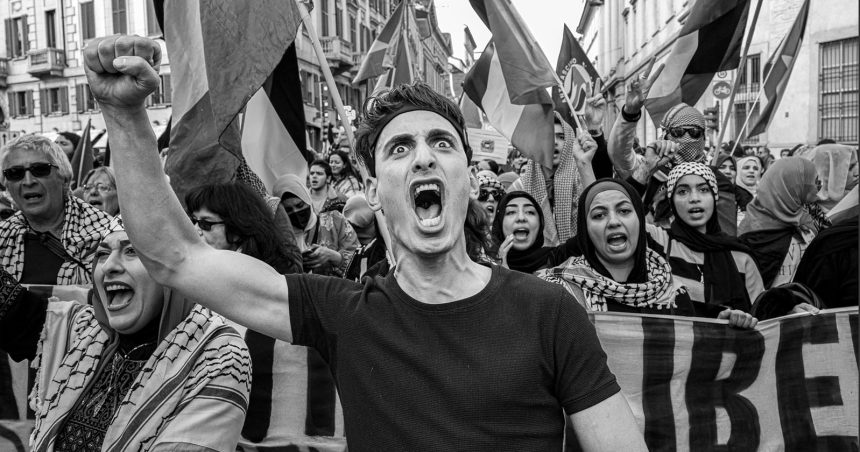
Simon’s point is deceptively simple. With a camera in every pocket, most of what gets captured today is reaction, not vision — a quick record of the obvious moment rather than a considered response to it. The phone comes out for the protest sign, the costume, the thing already announcing itself. Street photography asks something harder: to find a moment nobody else was paying attention to, and to care enough to be there for it.
He traces the shift back to his early days with a Nikon FM, when a camera around your neck marked you out as a press photographer or serious artist. Photographers were a novelty, and that novelty often worked in their favor. Now, he argues, the ubiquity of phones has made deliberate street work harder, not easier:
- People are no longer naive about being photographed — they make a conscious choice.
- Casual phone snaps draw almost no reaction, so the person taking their time with a serious camera stands out more sharply.
- Every considered frame reads as an act of intent, which can make subjects more guarded.
The essay’s real urgency, though, is aimed at generative AI. When a face that never existed can be rendered convincingly enough to fool anyone scrolling past, the line between real and invented starts to blur for everyone. And Simon is careful to note this isn’t only about images built from scratch. The same technology is now baked into the everyday tools — Lightroom and nearly every post-processing app — that let you remove a distraction, replace a sky or smooth a face with a single click.
The results are seamless, and that is precisely the danger. Every time we use these tools to fix rather than interpret, he writes, we edge one step closer to the fabricated image. Over-perfected pictures communicate the very thing photographers are trying to avoid — that reality has been smoothed into something that never quite existed. Viewers feel it, even when they can’t articulate it.
Simon isn’t claiming photographic truth is objective. He frames street photography as an honest eye showing you how it felt to be somewhere. Two strangers crossing paths in one frame, a face lit perfectly for a single second: no algorithm invents that kind of coincidence. You can only be there for it.
Which is why, he concludes, being genuinely present matters more than ever. In a feed flooded with synthetic images, people don’t need to believe your picture is neutral — they need to believe you were actually there, and that your perspective is honest. This moment is already disappearing. Someone should be out making real pictures of it.