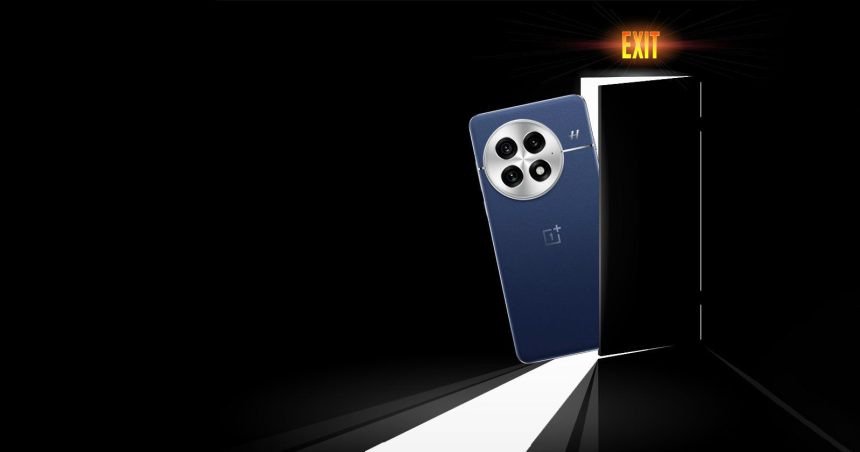
OnePlus is packing up and leaving. The brand that once positioned itself as the eternal challenger — the flagship killer that undercut the giants without gutting the spec sheet — is exiting North America and Europe by the end of this week. For a Western smartphone market that already feels increasingly like a two-horse race, that’s a loss, even if a chunk of shoppers are now asking, “OnePlus who?”
And that question is precisely the problem. OnePlus never fully broke through in the West. It built a devoted following among enthusiasts who valued fast charging, clean software and aggressive pricing, but it never converted that goodwill into the mainstream mindshare that Apple and Samsung command. Carrier deals were thin, retail presence was patchy, and the brand’s identity kept shifting as it drew closer to parent company Oppo. The upstart energy that made OnePlus exciting a decade ago slowly leaked out.
What Western buyers are missing out on
The timing stings because OnePlus’s recent hardware has been genuinely competitive. The OnePlus 15 debuted in China on October 27, 2025, then reached global markets on November 13, priced at US$899 for the 12GB RAM/256GB configuration and US$999 for the 16GB RAM/512GB version. That’s a flagship undercutting the usual suspects while still going toe-to-toe on paper.
The company also rounded out its lineup with the OnePlus 15R, announced in December 2025 at a starting price of US$699.99 / £649 for the 256GB model — a classic OnePlus move, delivering near-flagship muscle at a price that traditionally forced rivals to sharpen their pencils. Those are exactly the kinds of devices the West could use more of, not fewer.
Why fewer players hurts everyone
Competition is the quiet engine that keeps prices honest and features moving forward. When a scrappy third option leaves the table, the remaining players face less pressure to innovate on charging speeds, display quality or, crucially, price. OnePlus spent years dragging fast-charging and high-refresh-rate panels down-market; its absence removes one of the voices that kept the incumbents from getting too comfortable.
There’s a broader pattern here, too. The Western smartphone landscape has steadily consolidated, with smaller and mid-tier brands squeezed out by the sheer gravitational pull of the two market leaders. OnePlus was one of the last credible challengers with real ambition to break in. Its retreat leaves the field thinner, quieter and — for buyers who like a genuine alternative — decidedly less interesting.
Enthusiasts in the U.S. and Europe will still be able to admire OnePlus hardware from afar, watching launches unfold in markets where the brand remains committed. But watching from the sidelines isn’t the same as having the option on the shelf. For anyone who believes choice makes a market better, OnePlus stepping away is a genuinely bad day.