Building a humanoid robot is hard. Teaching it to actually do something useful in the physical world is arguably harder — and that’s exactly the problem NEURA Robotics is throwing 3,000 square meters of dedicated real estate at.
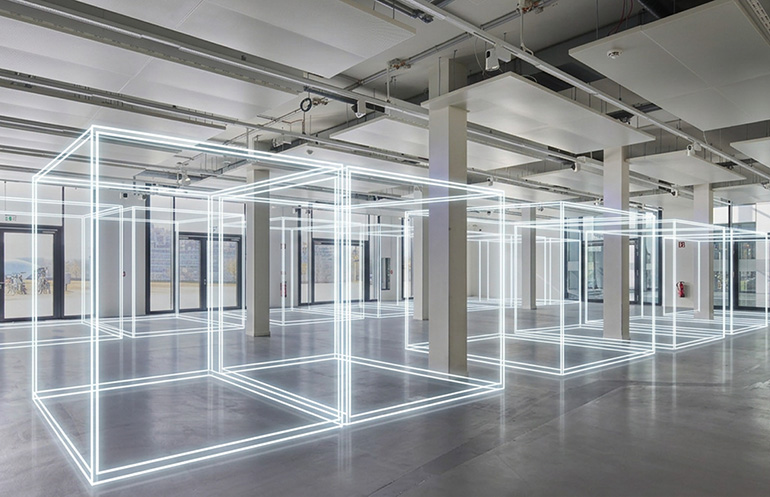
On July 22, 2026, the company announced the NEURA Gym RWTH Aachen, a purpose-built facility for training so-called Physical AI: the models that let intelligent and humanoid robots perceive, reason about and manipulate the messy real world rather than a tidy simulation. It’s one of ten such training centers NEURA plans to establish, and this one lands at the Hightech Campus Melaten in cooperation with RWTH Aachen University.
The concept is refreshingly literal. Just as an athlete needs a gym to build capability through repetition, next-generation robots need a controlled environment where AI-based training, research and eventual industrial deployment can happen under one roof. The Aachen site is scheduled to open by the end of 2026.
What makes the RWTH partnership interesting isn’t just the floor space — it’s the brainpower plugged into it. Around 20 RWTH institutes are being integrated into the facility, turning it into a genuine crossover between academic research and hands-on robotics engineering. That’s the kind of pipeline that can push a training model from a whiteboard hypothesis to a robot that reliably picks up a component on a factory line.
A few things worth unpacking about the strategy here:
- It’s infrastructure, not a product. The NEURA Gym isn’t something you buy — it’s the training ground where the intelligence inside future robots gets forged.
- Scale is the point. With ten planned facilities, NEURA is treating Physical AI as a data and iteration problem, betting that more controlled training environments mean faster, more capable robots.
- Academia is baked in. Roughly 20 RWTH institutes give the site depth across disciplines, from control systems to machine learning.
The financial muscle behind all this is not trivial. NEURA’s global rollout is backed by its Series C financing of up to US$1.4 billion — funding aimed at building out this network of training centers rather than any single machine. In a field where most humanoid robot demos still feel like carefully choreographed party tricks, that kind of capital directed at the unglamorous work of training is a telling signal.
Physical AI is shaping up to be the real bottleneck for humanoids, and hardware alone won’t clear it. By investing in gyms rather than just glossy prototypes, NEURA is essentially arguing that the winners in robotics will be decided by who trains best, not who builds the shiniest chassis. The Aachen facility is the first concrete step in testing that thesis.