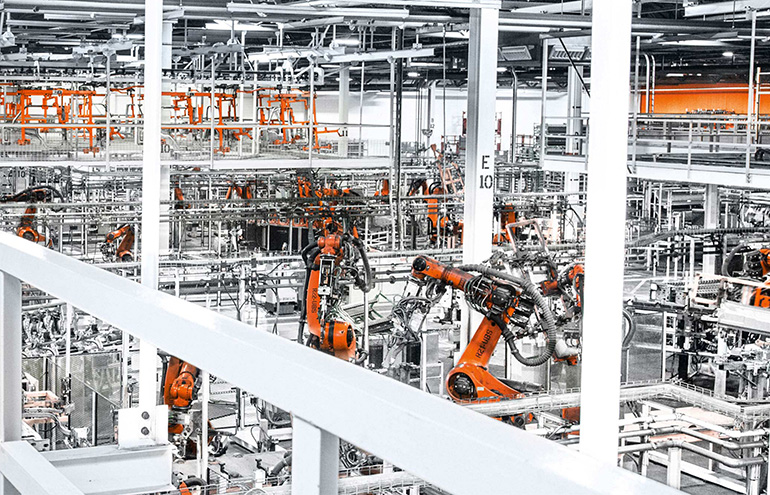
Factory automation just got a fresh nervous system. KUKA has flipped the switch on its Automation Management Platform (AMP) at KTPO — KUKA Toledo Production Operations — a major manufacturing facility in Ohio. As of July 20, 2026, the platform went live and is now actively driving production on the floor.
The pitch is deceptively simple: bridge the automation infrastructure automakers already own with a new generation of AI-powered technology, without ripping the plant apart to do it. For manufacturers with millions sunk into existing robots, controllers and conveyors, that continuity is the whole point.
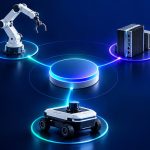
What makes AMP interesting is the philosophy behind it. KUKA describes an open orchestration platform built around intent-based automation — the idea that operators tell the system what outcome they want, and the software figures out how to coordinate the hardware to get there. Instead of hand-tuning every motion and handshake between machines, the platform handles the orchestration, leaning on AI to keep the pieces working in concert.
Deploying it at KTPO is a shrewd move. This is one of KUKA’s own North American production hubs, meaning the company is running the platform in a real, high-stakes automotive environment rather than a sanitized demo cell. It’s a live proving ground — and a showroom for the North American automakers KUKA wants to court next.
The industry backdrop matters here. Automotive plants are under pressure to squeeze more flexibility out of aging lines while folding in AI-driven tooling that didn’t exist when much of that equipment was installed. An open platform, as opposed to a walled-garden system, promises to let plants mix and match hardware and software from multiple sources — a persistent headache on factory floors where vendor lock-in is the norm.
A few things worth flagging honestly: KUKA hasn’t published detailed technical specifications for AMP beyond these functional descriptions, and there’s no public pricing. That’s typical for enterprise industrial software, where deployments are negotiated project by project rather than sold off a shelf. So treat the specifics as directional for now.
Still, the shape of the strategy is clear enough:
- Open orchestration — designed to connect existing and next-gen automation rather than replace it
- Intent-based control — operators define goals, the platform coordinates execution
- AI-driven — machine intelligence handling the coordination layer
- Live in production — running at KTPO in Ohio since July 20, 2026
If AMP delivers on the promise, it could become the connective tissue that lets legacy factory floors evolve without a costly teardown. For now, KTPO is the test that everyone else in North American manufacturing will be watching.