Forget rooftop panels for a moment. The next big shift in home energy might be something you simply plug into a wall socket. That’s the argument gaining traction across the industry, and companies like Octopus Energy, Anker, EcoFlow and WindFall Energy are betting big on it.
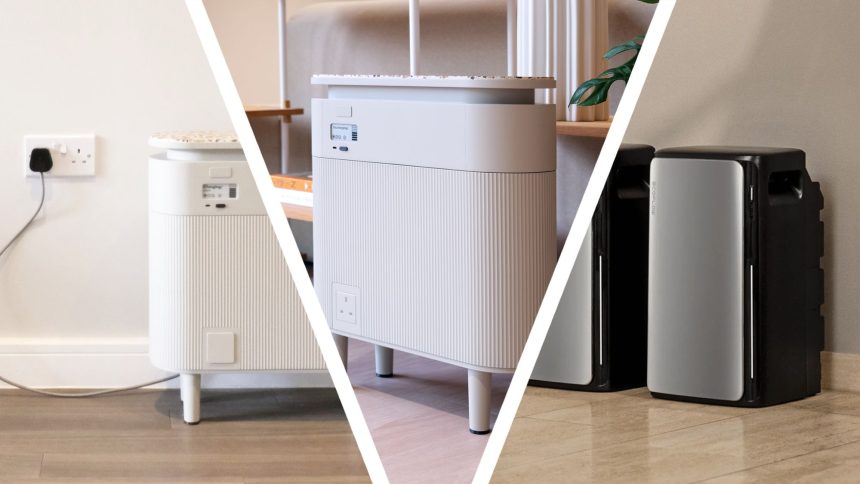
The headline act is the Octopus Nook Cube, a 2kWh plug-in battery that connects to a standard household socket — no electrician, no roof, no drama. Need more capacity? You can stack additional units to reach 10.5kWh, making it a genuinely scalable solution for a range of households. Octopus unveiled it on June 22, 2026, backed it with a generous 12-year warranty, and is targeting a UK launch in 2027. There’s no official price yet, though estimates hover between £400 and £700.
For those who want something more substantial, Octopus also has the Nook Colossus in the pipeline. This is a wall-mounted 5kWh system that scales all the way to 30kWh for larger homes, and it shares the same 12-year warranty. Like the Cube, it’s slated for a UK launch in 2027, with pricing yet to be confirmed.
The appeal of these devices is straightforward. A plug-in battery lets you store cheap off-peak electricity — or excess energy — and use it during pricier hours, without the upfront cost and installation hurdles that come with solar. That’s why some in the sector are describing plug-in batteries as potentially bigger than solar for everyday households. The barrier to entry is simply lower.
Anker is coming at this from a slightly different angle. Its Solix Solarbank 4 E5000 Pro was announced in Berlin on May 12, 2026, and EU deliveries began on June 12, 2026. This is a heavier-hitting piece of kit, boasting 5,000W solar input, 5,000Wh of storage and an impressive 10,000-cycle lifespan. It carries a €1,999 RRP in Europe. A UK launch is still pending, held up by regulatory considerations rather than any technical shortcoming.
What ties all of this together is the same underlying idea: energy storage is escaping the specialist installer market and heading straight for the plug socket. Anker’s Solarbank leans on solar input for maximum flexibility, while Octopus’s Nook range is built around the simplicity of grabbing cheap grid power and holding onto it.
There are still questions to answer — most obviously around UK pricing and how quickly regulation catches up with the plug-in category. But the direction of travel is clear. For millions of homes that never fancied climbing onto the roof, a battery you can set up in minutes could be the more compelling proposition. If the industry chatter is right, the humble plug socket may end up doing more for home energy bills than the panels above your head.