Every humanoid robot hides a dirty secret in its elbows, wrists and knees: the gearboxes. Strain wave gears deliver the near-zero backlash and precision that a walking, grasping machine demands, but they’ve traditionally been fiddly and expensive to make. Schaeffler reckons it has cracked the manufacturing problem — and on August 13, 2026, it laid out a plan to build these components at scale.
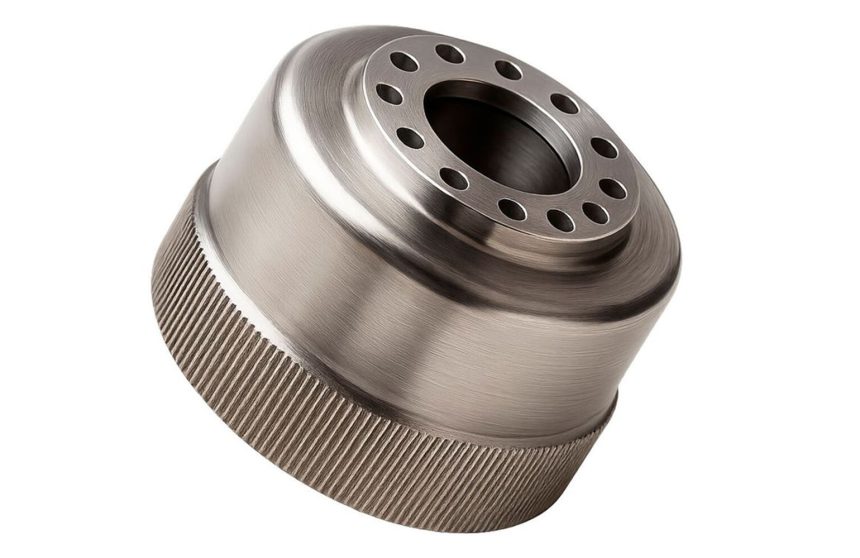
The trick is a new forming technology. Instead of machining the delicate gear components the conventional way, Schaeffler shapes them, and the payoff is substantial. The company says its approach cuts the cost of manufacturing strain wave gearboxes by more than 25 percent while slashing material consumption by more than 75 percent. For a part that ends up in dozens of joints per robot, those numbers add up fast.
Crucially, the efficiency gains don’t come at the expense of performance. Schaeffler’s formed strain wave gearboxes deliver near-zero backlash, typically under 1 arcminute, alongside high reduction ratios ranging from 50:1 to 160:1. That combination is exactly what humanoid joints need: precision, stiffness and compactness, packed into a housing small enough to fit where a human tendon would sit.
Why does this matter? Strain wave gears are one of the quiet bottlenecks in the humanoid gold rush. Robot makers can design elegant chassis and clever AI, but if the actuators are costly and slow to produce, mass-market robots stay a fantasy. A supplier that can churn out precision gearboxes cheaply and consistently becomes a linchpin of the whole industry.
Schaeffler isn’t building these for a single customer, either. The company plans to supply numerous humanoid manufacturers around the world, positioning itself as an arms dealer of sorts in the robotics race rather than a competitor to the robot builders themselves.
The groundwork is already done. Schaeffler has successfully concluded validation testing of the formed strain wave gearboxes, which it describes as the foundation for the next step. Here’s how the rollout is shaping up:
- Mass production start: slated for 2027
- First location: Germany, with a successive rollout to other regions
- Status today: validation complete, mass manufacturing still upcoming
Pricing hasn’t been made public, which is unsurprising for a business-to-business component that will be negotiated in volume contracts rather than sold off a shelf. What’s clear is the direction of travel: cheaper, leaner gearbox production is one of the practical hurdles standing between prototype humanoids and the fleets that companies keep promising.
If Schaeffler hits its 2027 target, the humanoid robots of the near future may well walk on German-made joints — quietly, precisely and, for the first time, affordably.