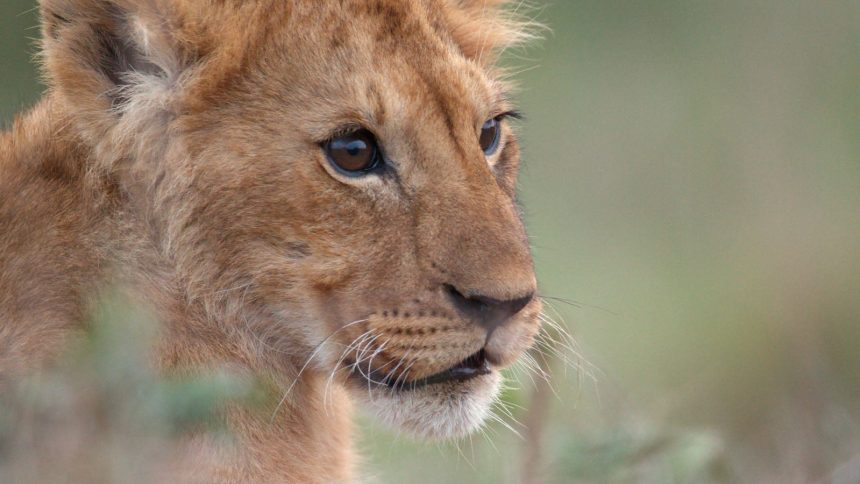
Chasing lions across the Maasai Mara for four years sounds like a job for a long lens and a lot of patience. For aerial cinematographer Anthony Njuguna, it also meant rethinking what a drone can do. His work on Lion, the National Geographic docuseries directed by Jon Favreau, is a masterclass in flying close to the ground rather than hovering high above it.
Njuguna’s tool of choice was a DJI Inspire, and he used it for far more than the obligatory top-down establishing shot. “There are quite a lot of hidden drone shots in the series that I’m not too sure most people would pick up on,” he told PetaPixel. “There were some low shots.” That’s the whole trick: modern drones are stable and refined enough that they no longer scream “drone.” They just look cinematic.
The advantage over a human operator is speed and reach. A drone can dart into spaces and hold angles a camera operator simply can’t manage — a serious perk when your subjects have claws and prefer not to be crowded.
Njuguna paired the Inspire with a range of glass: super-wide, standard, and telephoto lenses. Wide-angle framing sets the scene, showing where the lions live and hunt, while the longer options pull in tight on the animals as they rest or stalk prey. Because the footage was captured on a Super35 sensor, his lens math worked out nicely.
His favorite? “I think I enjoyed using my 50mm lens the most,” he said. “It gave me many unique shots from a good working distance from the lions.” Distance matters here — shooting from farther away meant the pride carried on undisturbed, their natural behaviors intact.
Njuguna typically operated from inside a vehicle beside a guide, watching a monitor while keeping physical eyes on the aircraft. He always maintained line of sight — partly for safety, partly because it helped him nail framing faster in the field.
Unlike many docuseries where cinematographers shoot their segments in isolation, Lion demanded teamwork. Njuguna worked shoulder to shoulder with fellow shooters, sharing footage constantly and covering for one another to keep a consistent look across four years of material. The best advice he received on set was refreshingly simple: trust yourself and your instincts.
That patience paid off in the story itself. Favreau and BBC Studios executive producer Mike Gunton followed a single cub, Kio, across a four-year journey to become king of his pride — an extraordinary commitment to one animal’s ups and downs.
“I want the viewers to enjoy the beauty of the relationships, how dynamic they are, and how similar we are [to lions],” Njuguna said. “How they go through their emotions is so, so interesting.”
Lion premiered on Nat Geo on August 19 and began streaming the next day on Disney+ and Hulu.