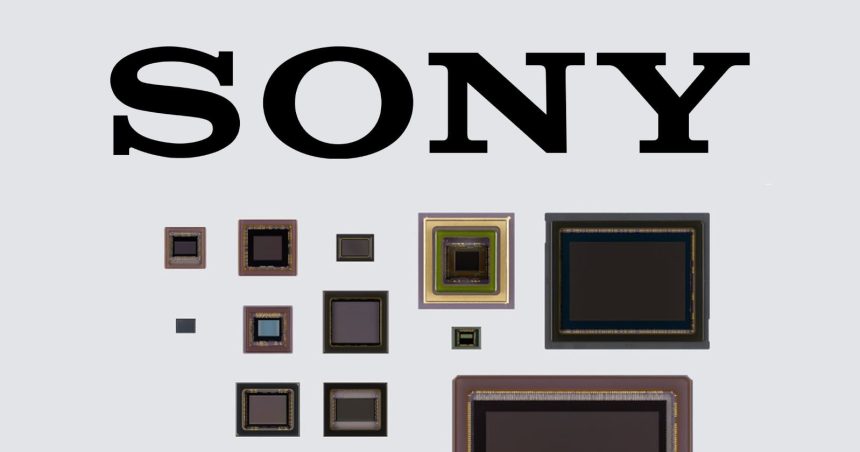
If you’ve ever wondered whose silicon is sitting behind the glass on your smartphone, the odds are overwhelmingly in Sony’s favor. According to the annual Nikkei Industry Map, Sony held 53.6 percent of the global image sensor market last year — up 1.2 percentage points from the year before — and finished more than 40 percentage points clear of the second-place company. That is not a lead; that is a chokehold.
The irony is delicious. In the digital camera market, Canon runs the show with a 45.7 percent share to Sony’s 24.6 percent. But zoom out to the sensors that make any camera possible — including the tiny ones packed into billions of phones — and Sony flips the script entirely. Its fabs supply not only Sony’s own Alpha mirrorless bodies, cinema cameras and Xperia phones, but also plenty of rival camera makers and smartphone brands.
The most famous holdout? Canon, which stubbornly rolls its own. Imaging Group head Go Tokura confirmed the company has no intention of changing course: “Canon is going to stick to the current direction, which is to continue to invest in our in-house sensor development for use on our cameras.” Tellingly, despite Canon’s commanding camera-market position, it doesn’t even register as a named player in the sensor breakdown — it disappears into the “other” bucket worth just 10.3 percent. That single statistic tells you everything about how much smartphones, not cameras, drive this business.
The runner-up spot delivered a genuine surprise. It wasn’t Samsung, as tradition would suggest, but OmniVision at 13.4 percent. The Chinese sensor and semiconductor firm — formerly WillSemi — has been quietly punching above its weight, becoming the first to ship a smartphone sensor with 100% PDAF coverage back in 2021 and, more recently, promising the industry’s highest dynamic range.
OmniVision’s momentum isn’t just theoretical. The main camera in the excellent Xiaomi 17 Ultra uses an OmniVision LOFIC sensor, while the phone’s remaining cameras lean on Samsung parts. Samsung, for its part, still holds a very healthy 13.2 percent global share, sitting a whisker behind OmniVision.
So where does this leave the pecking order?
- Sony: 53.6% (up 1.2 points year over year)
- OmniVision: 13.4%
- Samsung: 13.2%
- Other (including Canon): 10.3%
Predicting the future is a fool’s errand, but Sony isn’t giving anyone reason to bet against it. Fresh off an extremely profitable year, the company has forged a new strategic partnership with TSMC to manufacture its next-generation image sensors. In other words, the market leader has no intention of coasting — and its rivals have a very long climb ahead.