For a brief, nerve-wracking moment, New Zealanders feared their favorite privacy tool was about to be dragged into the crossfire of a social media crackdown. It turns out those fears were premature.
The panic started with reports suggesting the New Zealand Government might restrict Virtual Private Networks as part of a broader push to enforce an under-16 social media ban. For anyone who understands how VPNs actually work, the logic wasn’t hard to follow: if the state wants to verify ages and block certain platforms for minors, VPNs are the obvious loophole. Route your traffic through a server in another country, and geographic or age-based restrictions become a lot harder to police.
Naturally, the mere suggestion set off a fierce backlash. VPNs aren’t just a teenager’s tool for dodging content filters — they’re a mainstream privacy staple used by remote workers, travelers, journalists and anyone who’d rather not broadcast their browsing habits to their internet provider. Any hint of restricting them touches a raw nerve around digital freedom and personal privacy.
The Government moved quickly to douse the fire. Officials have denied that banning or restricting VPNs is on the table as part of their work to reduce social media harm. The message to users was blunt and reassuring: your privacy tools are safe.
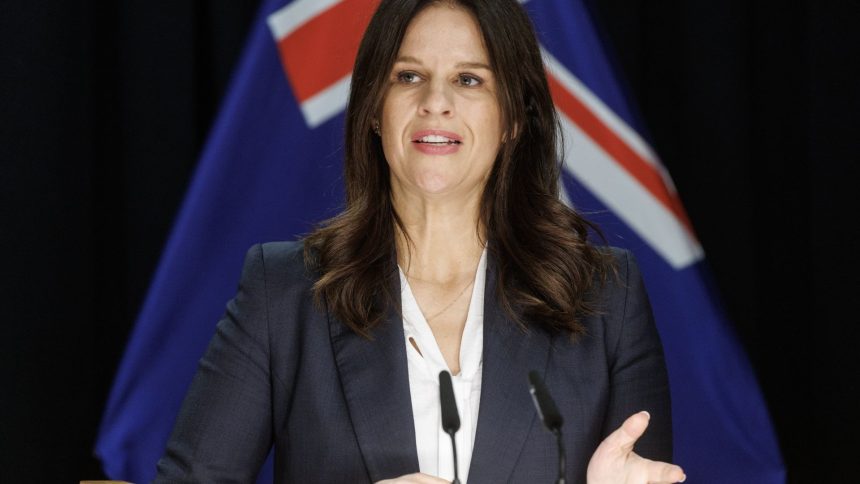
The Education Minister has confirmed she will introduce her own Government Bill in the coming weeks to tackle social media harm among younger users. Crucially, that legislation is not expected to include any VPN restrictions — a clarification that will come as relief to privacy advocates who feared the country was about to set a troubling precedent.
The episode highlights a recurring tension in tech policy worldwide. Governments increasingly want to shield children from online harm, and age-verification mandates are becoming a popular tool. But VPNs sit awkwardly in the middle of that ambition. They’re perfectly legal, widely used for legitimate reasons, and technically capable of sidestepping almost any national restriction. Trying to regulate them tends to alienate the very citizens a government relies on — while doing little to stop determined users who know their way around a settings menu.
For now, New Zealand appears to have chosen its battles. The under-16 social media measures are still coming, but the country’s VPN users can breathe easy. The question of how, exactly, an age-based ban gets enforced without leaning on tools like VPNs remains very much open — and it’s one that regulators around the globe are still struggling to answer.
What’s clear is that the public reaction landed. When a policy idea threatens a tool millions rely on for everyday privacy, the pushback is swift, loud, and — in this case — apparently effective.