The apparel supply chain has long been a study in fragility — a sprawling, globe-spanning chain where a single disruption can leave shelves empty and warehouses overflowing. CreateMe Technologies is betting it can shorten that chain dramatically, and it has brought along two partners to prove the point.
On June 23, 2026, CreateMe announced Seed to System, an initiative built alongside Avalo and Laguna Fabrics. The premise is refreshingly direct: take a garment from raw material to finished product faster, more locally, and with far more resilience than today’s offshore-heavy model allows.
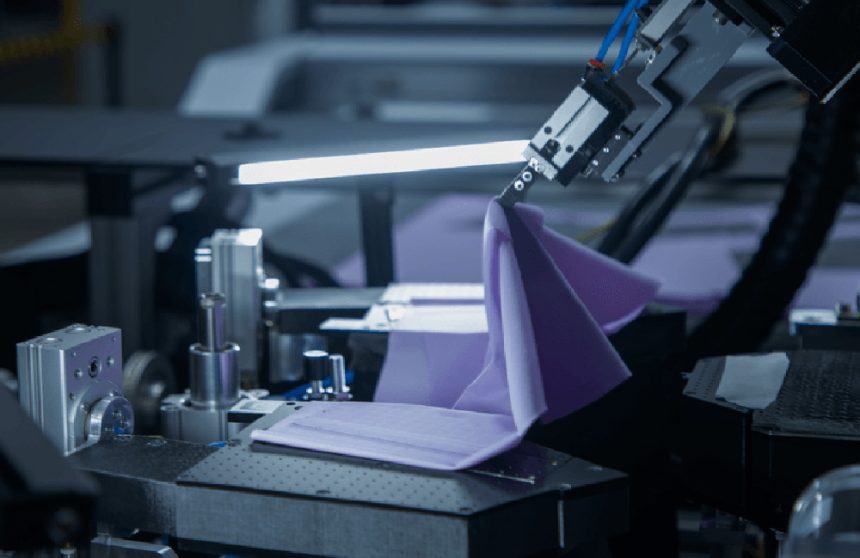
What makes the project interesting for anyone watching automation is how it stitches together three usually disconnected stages. Avalo brings climate-smart cotton, the kind of agricultural input designed to hold up under shifting growing conditions. Laguna Fabrics handles the textile production side. CreateMe contributes the part that gives this whole effort its place on a robotics roster — robotic garment assembly, the notoriously difficult task of getting machines to handle limp, unpredictable fabric and turn it into something wearable.
That last piece is the hard one. Rigid components are easy for robots; cloth flops, folds and refuses to behave. Automating apparel assembly has stymied the industry for decades, which is precisely why a fully integrated pipeline — from a cotton seed in a field to a system that can construct a garment — counts as ambitious rather than incremental.
For now, Seed to System is launching as a pilot, a demonstration rather than a finished factory. The goal is to show that the integrated model works end to end before scaling it up. CreateMe and its partners have framed this as a proof of concept for localized, resilient manufacturing — the antithesis of the long, brittle supply lines that defined the last few decades of clothing production.
The roadmap stretches through the summer. The three partners plan to keep developing the system, with a Climate Week activation and a capsule launch on the calendar. The capsule, in particular, will be the moment the initiative produces something tangible — actual garments emerging from the pipeline rather than slides describing it.
It is worth being clear about what this is and isn’t. Seed to System is a business-to-business manufacturing ecosystem, not a gadget you can pre-order. There’s no retail price, no spec sheet, no launch event with a countdown. But the implications reach well beyond the apparel aisle: if robots can reliably assemble garments from locally grown, locally woven cloth, the economics of where and how clothing gets made start to look very different.
Whether the pilot delivers on that promise is the open question. The combination of climate-smart agriculture, regional textile production and robotic assembly is genuinely novel, and the coming months — culminating in that capsule launch — should reveal whether the concept holds together outside a controlled demonstration.