The U.S. Navy has a math problem, and it isn’t a good one. A recent industrial base review pegged the projected shortfall at a staggering 174,000 new workers needed to keep America’s defense manufacturing pipeline flowing. GrayMatter Robotics thinks the answer isn’t more recruitment drives — it’s robots that can pick up the grimy, repetitive jobs nobody wants to do.
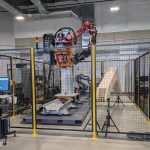
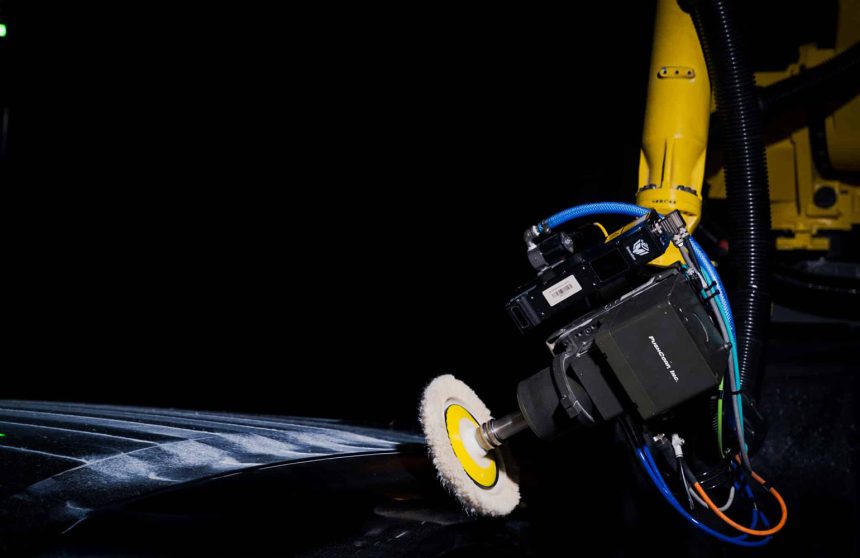
The California-based company specializes in something deceptively unglamorous: autonomous surface finishing. We’re talking sanding, grinding, polishing and the rest of the dust-choked, vibration-heavy work that goes into prepping ship hulls, aircraft parts and other defense hardware. It’s the kind of labor that wears bodies down and burns out workforces, which is precisely why finding humans to do it is getting harder by the year.
What sets GrayMatter apart is its focus on high-mix, high-variability manufacturing — the messy reality of defense production, where you’re rarely building thousands of identical units. Instead of rigid, pre-programmed robotic cells that only work when every part is identical, GrayMatter’s systems use AI-driven perception to adapt on the fly. The robot scans a part, figures out what it’s looking at, and adjusts its finishing pass accordingly. That flexibility is the whole game in a sector where the next component on the line might look nothing like the last.
The company’s pitch to the defense industrial base is blunt: you cannot hire your way out of a 174,000-person shortfall, so you’d better automate the worst of it. By handing off the dull and dangerous finishing tasks to machines, manufacturers can redeploy their scarce human talent toward higher-skill work — and keep production schedules from buckling under labor constraints.
There’s also a business-model wrinkle worth noting. Rather than selling a robot as a one-off capital purchase, GrayMatter offers its hardware, software and ongoing service under an annual fee. For defense contractors wary of dropping huge sums on equipment that needs constant tuning, that subscription-style approach lowers the barrier to entry and bundles in the support that industrial automation always seems to demand.
It’s a framing that fits the moment. Manufacturing readiness has become a strategic concern, not just an HR headache, and the Navy’s own review makes the stakes plain. If the workforce gap is real — and the numbers say it is — then autonomous finishing stops being a nice-to-have efficiency play and starts looking like infrastructure.
Whether robots alone can close a six-figure labor gap is another question. But GrayMatter’s argument is hard to dismiss: every finishing job a robot takes is one fewer human you need to find, train and retain. In a sector staring down a shortage of that scale, even partial relief counts as a win.