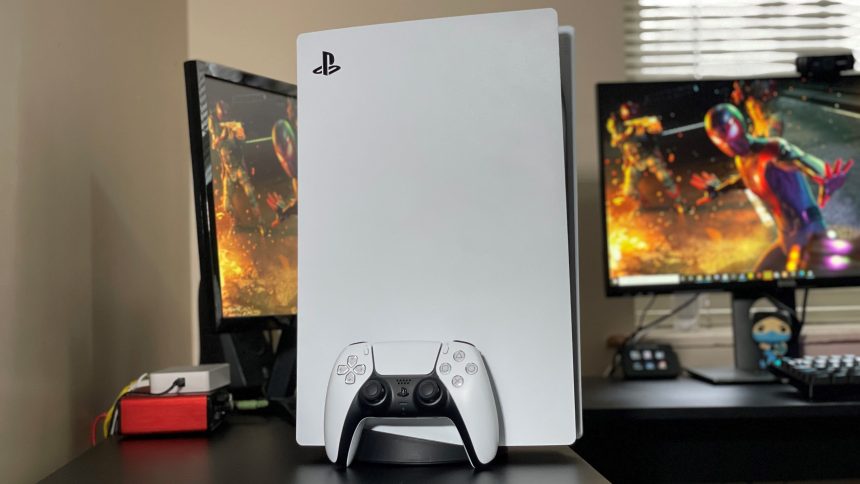
Sony has drawn a line in the sand: starting in January 2028, PlayStation will stop producing physical discs for all new games. If you were hoping to keep building a shelf of shiny cases and cartridge-free jewel boxes, that shelf just stopped growing — at least where new releases are concerned.
It’s a move that will feel inevitable to some and unsettling to others. Digital distribution has been eating into physical sales for years, and the console business has been quietly steering players toward download-only libraries. But the decision lands right in the middle of a growing conversation about who actually owns the games they buy.
That conversation has a name: Stop Killing Games. The campaign has been pushing for legal protections to keep titles playable after publishers pull the plug on servers or support — the idea being that a purchase should mean something more durable than a temporary license that can evaporate at a company’s discretion.
We spoke with the group to hear their read on Sony’s announcement, and their concern is straightforward. As they put it, customers need assurances that their games won’t be taken from them after purchase. When a disc exists, there’s a tangible artifact — something you can lend, resell, archive, or dust off a decade later. A purely digital catalog shifts that balance of power toward the platform holder, who controls the storefront, the servers and, ultimately, whether that download remains available at all.
The friction here isn’t really about nostalgia for plastic. It’s about permanence. A physical disc is a hedge against a store closing, a license being revoked, or a game simply vanishing from a digital library. Strip that away, and preservation becomes something you have to trust a corporation to provide — rather than something you hold in your hand.
To be clear about what’s changing and what isn’t:
- New games will no longer ship on physical discs from January 2028 onward.
- Existing physical libraries aren’t being wiped — discs you already own remain yours to use.
- The shift accelerates PlayStation’s move toward an all-digital ecosystem for future releases.
For Sony, the logic is easy to trace. Discs carry manufacturing, distribution and retail costs that digital simply doesn’t. Cutting them tightens margins and simplifies the supply chain. For players who prize collecting, resale value or long-term access, though, the trade-off is less comfortable.
The bigger question is whether Sony’s decision nudges the wider industry to follow. If disc production winds down across the board, campaigns like Stop Killing Games argue the stakes for consumer protection only rise. When the disc disappears, the guarantee has to come from somewhere — and right now, it’s not clear who’s offering one.