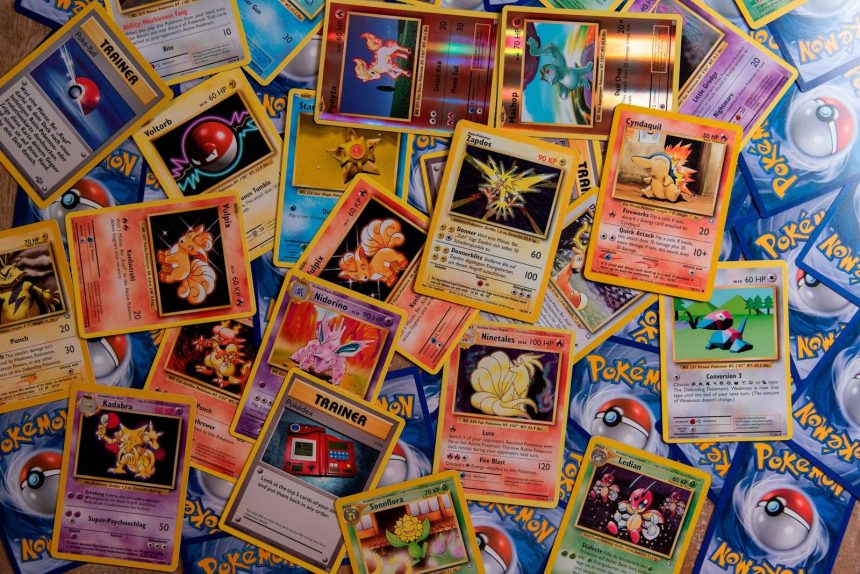
The Pokémon Trading Card Game has become one of the hottest resale markets on the planet, and not in a good way. Booster boxes vanish from shelves within minutes, only to reappear on marketplaces at eye-watering markups. Now, after years of collectors and players venting their frustration, the issue has finally reached the top of Nintendo’s org chart.
Nintendo president Shuntaro Furukawa has acknowledged the scalping problem, confirming that the company is “communicating” with The Pokémon Company to hunt down solutions. That’s a notable admission from a boss who rarely wades into product-specific controversies. The catch? Furukawa is still parking the actual responsibility for fixing things squarely with The Pokémon Company, the studio that develops and distributes the cards.
To be fair, The Pokémon Company isn’t sitting on its hands. It has rolled out a batch of countermeasures aimed at squeezing the profit out of bulk-buying bots and opportunists:
- Made-to-order sales, which let supply better track genuine demand rather than leaving a fixed run to be hoovered up in seconds.
- Agreements with marketplace operators, presumably to police listings and clamp down on the most egregious flipping.
- A government ID verification scheme slated to arrive from August 2026, designed to tie purchases to real identities and make mass buying far harder to pull off anonymously.
That last measure is the one worth watching. ID checks are a blunt but effective instrument: if every order has to be attached to a verified person, the economics of running dozens of dummy accounts start to fall apart. Whether it will actually deter the professional resale operations — or simply annoy legitimate fans who just want a few packs — remains an open question.
The deeper tension here is structural. Nintendo owns a slice of The Pokémon Company and shares the brand’s fortunes, yet Furukawa’s framing keeps a clear firewall between the two. It’s a diplomatic way of saying “we care” without committing Nintendo’s own machinery to the fight. For collectors who have watched retail prices become fiction, that distinction will feel academic.
Scalping thrives wherever scarcity meets hype, and few franchises generate hype like Pokémon. The recent surge has been supercharged by a wave of nostalgia buyers, investment-minded flippers and a secondary market that treats sealed product like a commodity. No single fix — not made-to-order runs, not marketplace deals, not ID checks — is likely to solve it alone.
Still, the combination signals that the problem is finally being treated as a systemic one rather than an unavoidable side effect of popularity. If the August ID rollout lands and marketplace enforcement has teeth, 2026 could be the year the reselling frenzy finally cools. For now, the message from Nintendo is clear: it sees the problem — it just isn’t the one holding the wrench.