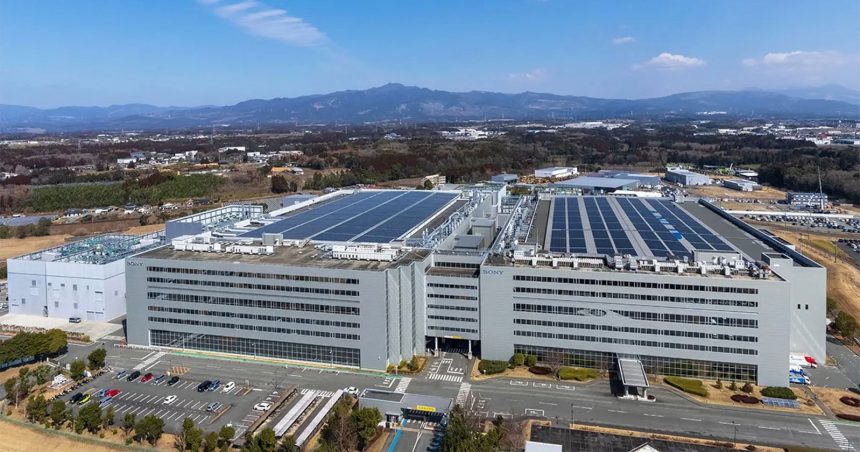
The nerve center of the global image sensor industry has stopped shaking. Sony’s semiconductor facility in Kumamoto Prefecture, Japan, returned to full operating capacity on August 19, 2026, closing the book on a nerve-racking three-week recovery.
The disruption began on July 28, 2026, when a powerful magnitude 6.8 earthquake tore through the region. The tremor damaged multiple structures and forced Sony Semiconductor to evacuate its Kumamoto plant. For an industry that leans heavily on this single corner of Japan, the images of an idled fab were enough to make camera makers and smartphone engineers everywhere hold their breath.
Sony didn’t flip the switch back all at once. Production gradually resumed from August 4, 2026, with the company carefully ramping lines back up rather than risking a hurried restart. That measured approach paid off: just over three weeks after the ground stopped moving, the facility was humming at 100 percent again.
Why does a single factory in southern Japan matter so much? Sony is the world’s dominant supplier of CMOS image sensors — the silicon eyes behind an enormous share of the smartphones in your pocket and the cameras on store shelves. Kumamoto sits at the heart of that operation, which is exactly why the region has quietly earned the nickname “Silicon Island.” When it sneezes, the entire mobile and photography supply chain reaches for a tissue.
A prolonged shutdown could have rippled outward in ugly ways: constrained sensor allocations, delayed handset launches, and the kind of component shortages that inflate prices long after the headlines fade. Earthquakes are no strangers to this part of Japan — the region also weathered a serious quake back in 2016 — and every disruption is a reminder of how concentrated the world’s sensor manufacturing really is.
For now, though, the story has a reassuringly boring ending. The lines are running, the cleanrooms are back in service, and the sensors that power your next phone or mirrorless camera are once again rolling off the wafers. It’s a rare piece of good news in the notoriously fragile world of semiconductor logistics.
Sony has not detailed the full extent of the physical damage or the financial hit, and the company appears content to let the resumption of full output speak for itself. After a tense month, that quiet confidence is arguably the most valuable signal of all.