Autonomous cars grab the headlines, but the boring stuff — where they park, charge, get cleaned and repaired between rides — is where the real bottleneck hides. Moove just raised US$250 million to tackle exactly that problem, closing a Series C round at a US$2.1 billion valuation announced on August 5, 2026.
Moove isn’t a carmaker or a robotaxi brand. It’s the company that finances, owns and operates the vehicles other mobility platforms put on the road — across both human-driven and autonomous transport. Think of it as the landlord and fleet manager behind the wheel, rather than the app on your phone.
The fresh capital is earmarked for two things. First, scaling up its autonomous fleet ownership — buying and operating the driverless vehicles that partner platforms actually deploy. Second, and more intriguingly, building out its robotics-first depot infrastructure, which the company calls “Nests.”
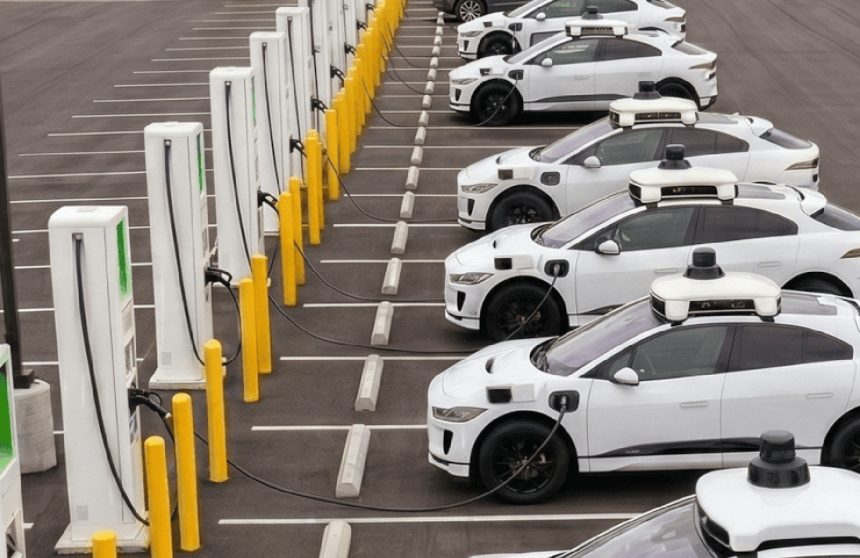
The Nests are where this gets genuinely interesting for anyone who cares about robotics. A driverless vehicle can’t just pull into a gas station and let a human handle the messy parts. It needs somewhere to go on its own — to top up energy, get inspected, cleaned and turned around for the next shift, ideally without a person in the loop. That’s the gap Moove is designing its depots to fill, with automation baked in from the ground up rather than bolted onto a legacy garage.
It’s a logical piece of the puzzle. The industry has poured enormous effort into perception stacks, lidar and self-driving software, while the ground infrastructure to keep those fleets running around the clock has lagged behind. A robotaxi that spends hours waiting for a human technician isn’t a robotaxi — it’s an expensive parked car. Moove’s pitch is that whoever owns the depots owns a chunk of the economics of autonomy.
A few things worth keeping in mind:
- This is B2B, not a gadget. There’s no consumer product, no price tag, no spec sheet to shop for. Moove sells to the platforms, not to riders.
- The valuation tells the story. Crossing US$2.1 billion signals that investors see fleet ownership and depot infrastructure as a serious lane, not a side gig.
- Infrastructure is the moat. Software can be replicated; physical Nests in the right locations are far harder to copy at scale.
For the wider autonomous-vehicle ecosystem, the takeaway is simple. The race to remove the driver is well underway, but the race to build everything around the driverless car — the charging, the servicing, the turnaround logistics — is only just heating up. Moove’s US$250 million says the money is starting to follow the vehicles home.