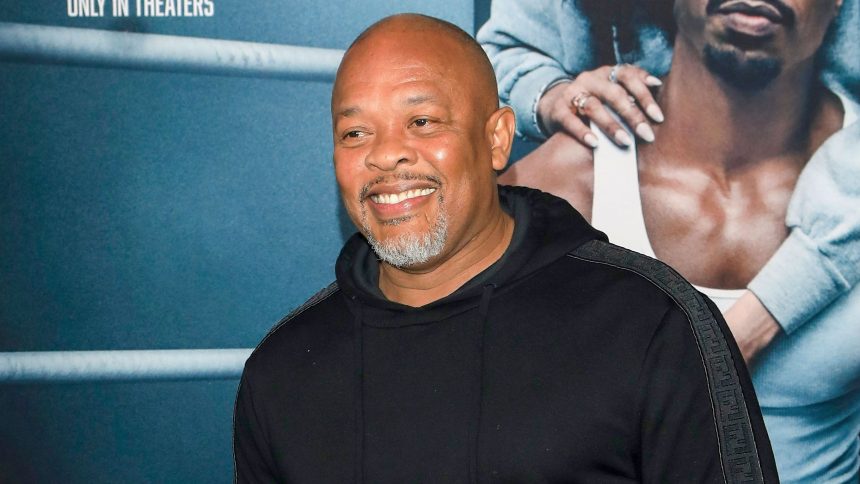
Few names carry as much weight in music production as Dr. Dre. So when the man behind decades of genre-defining beats says he leans on artificial intelligence to make music, the industry listens — and, predictably, argues.
In an interview with The New York Times published on August 23, 2026, Dre made his position blunt: AI is a tool, not an existential threat. “I think the only people that see it as a threat are the people who have trouble creating,” he said, framing the technology as something that rewards those who already know what they’re doing rather than replacing them.
It’s a pointed take in a debate that has grown increasingly heated. Over the past couple of years, generative AI has muscled its way into every corner of music-making — from tools that spin up backing tracks and drum patterns on demand, to systems that can mimic vocal styles and stitch together arrangements from a text prompt. For some producers, that’s a creative accelerant. For others, it’s a threat to livelihoods, authorship and the very idea of originality.
Dre’s stance lands firmly in the first camp. Rather than treating AI as a replacement for the human ear, he positions it as another instrument in the rack — one that speeds up the grunt work and clears space for the decisions that actually matter. Anyone who has spent hours chasing a snare sound or auditioning chord progressions can appreciate the appeal: let the machine handle the iteration, and let the producer handle the taste.
That distinction — taste versus generation — is really the heart of his comment. AI can produce an endless stream of options, but it can’t tell you which one hits. The implication is that the skill hasn’t disappeared; it’s shifted. Curation, arrangement and knowing when something is done become the differentiators when the raw material is effectively infinite.
Not everyone in the industry sees it so cleanly. Artists and songwriters have raised persistent concerns about training data, consent and compensation, particularly when AI systems can convincingly imitate a recognizable voice or style. Those questions aren’t going away, and a single high-profile endorsement doesn’t settle them.
Still, hearing a producer of Dre’s stature openly say he uses AI to make music matters. It normalizes a workflow that plenty of studios are already quietly running, and it reframes the conversation away from doom and toward craft. Whether you view that as reassuring or as a challenge probably depends, as Dre suggests, on how confident you are in your own creativity.
The tools will keep improving. The debate over ownership and ethics will keep raging. But Dre’s message is a reminder that technology has always reshaped how music gets made — and the people who thrive are usually the ones who pick up the new gear instead of fearing it.