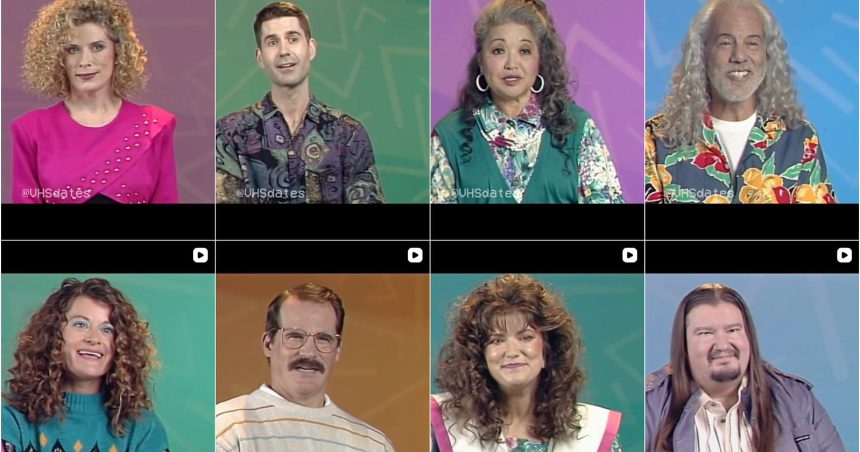
It sounded like a nostalgic goldmine: an Instagram account called VHS Dates that supposedly digitized old tapes from a bygone dating service, giving modern viewers a raw, cringe-and-charm window into how singles pitched themselves on camera decades ago. The clips racked up attention precisely because they felt authentic — awkward pauses, dated fashion, hopeful monologues into a bulky camcorder. There was just one problem. None of it was real.
A New York Times reporter flew to Los Angeles to meet the people behind the account, expecting to document a labor of love spent rescuing forgotten footage. Instead, the trip surfaced an uncomfortable twist: the whole thing was staged, performed by actors, and dressed up to look like archival material from an old dating service that never existed in the form advertised.
The creators, Lee Citron and Trevor Worley, initially presented the videos as genuine finds. Only later did they acknowledge the staged nature of the project — reframing what audiences had taken as documentary discovery into a piece of curated performance art living inside a social feed.
Why does this matter for a tech audience? Because VHS Dates is a near-perfect case study in how platform mechanics reward the appearance of authenticity. A few deliberate signals do enormous work:
- Format cues: the fuzzy analog aesthetic and tape-style timestamps instantly read as “real” and “old,” bypassing skepticism.
- Emotional texture: imperfect, vulnerable delivery feels harder to fake than polished content — so viewers assume it wasn’t faked.
- A tidy backstory: “we’re just digitizing what we found” is a frictionless narrative that discourages fact-checking.
Put those together and you have a machine for manufacturing trust. The clever part isn’t the camcorder look — it’s the framing that tells your brain to stop asking questions. That’s the same lever behind a lot of AI-generated and staged media flooding timelines right now, where the medium itself becomes the alibi.
The VHS Dates saga also underlines how blurry the line has become between homage and hoax. There’s a long tradition of scripted “found footage” as entertainment, and nobody accuses a horror film of lying. The friction here comes from the surrounding presentation — content offered as recovered reality rather than reconstruction, at least at first.
The takeaway isn’t that everyone should treat every retro clip as a con. It’s that the cues we instinctively use to judge whether something is real — grain, timestamps, an emotional wobble in someone’s voice — are exactly the cues that are cheapest to fabricate. In an era where a convincing period aesthetic is a preset away, the most valuable skill on any feed is a healthy pause before you believe the tape.