Scroll through TikTok long enough and you’ll eventually hit a sun-kissed influencer explaining, with total confidence, why they’ve ditched sunscreen entirely. The pitches are creative. One man films himself bobbing in the ocean, claiming you can build up a “solar callus” — a kind of trained tolerance that stops you from burning. Another creator insists that loading up on polyphenols and antioxidants will quietly fortify your skin against sunburn from the inside out.
It’s compelling content. It’s also wrong.
There is no such thing as a “solar callus.” Your skin does not learn to shrug off ultraviolet radiation the way your palms toughen against a barbell. What actually happens when you repeatedly expose unprotected skin to the sun is cumulative DNA damage — the kind that ages your skin prematurely and stacks the deck for skin cancer. The tan itself is the visible receipt of that damage, not evidence of resilience.
The antioxidant argument is slightly more nuanced, which is exactly why it spreads so easily. Antioxidants do play a role in how your body handles oxidative stress, and a diet rich in them is genuinely good for you. But “helpful supporting actor” is not the same as “replacement for a physical barrier between your face and a fusion reactor 93 million miles away.” No amount of leafy greens turns your epidermis into an SPF 30 lotion.
This is the frustrating part of the current wave of wellness misinformation: it borrows just enough real science to sound plausible, then sprints past the actual conclusion. The result is a genre of advice that feels empowering and natural while quietly raising your long-term risk.
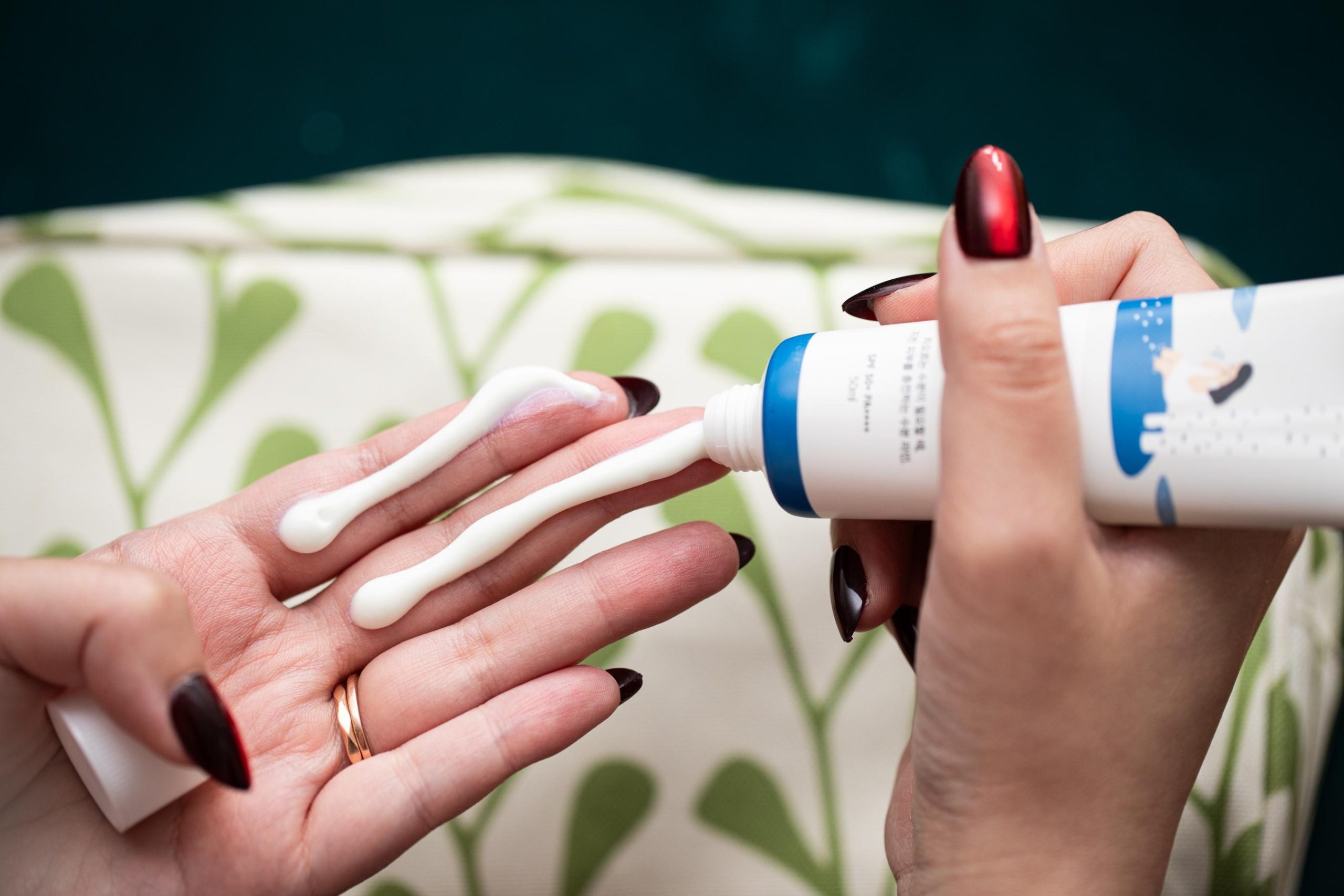
So here’s the unglamorous, evidence-based version. Sunscreen works, and most people simply don’t use enough of it. The rule of thumb worth memorizing:
- A quarter teaspoon for your face alone.
- A half teaspoon if you’re including your neck — and you should absolutely include your neck.
That measurement matters more than people realize. A thin, rushed smear delivers a fraction of the protection printed on the bottle, which is part of why so many diligent sunscreen users still end up pink. Underapplication quietly turns an SPF 50 product into something far weaker, then leaves you wondering why the stuff “doesn’t work.”
The broader takeaway is one tech and gadget readers know well from years of dubious product claims: confidence is not data. A creator floating in crystal-clear water radiating health is a vibe, not a clinical trial. The biology of UV damage hasn’t changed because a trend cycle decided sunscreen was uncool.
Wear it. Reapply it. Measure it. The skin you’re saving is, conveniently, the only one you get.