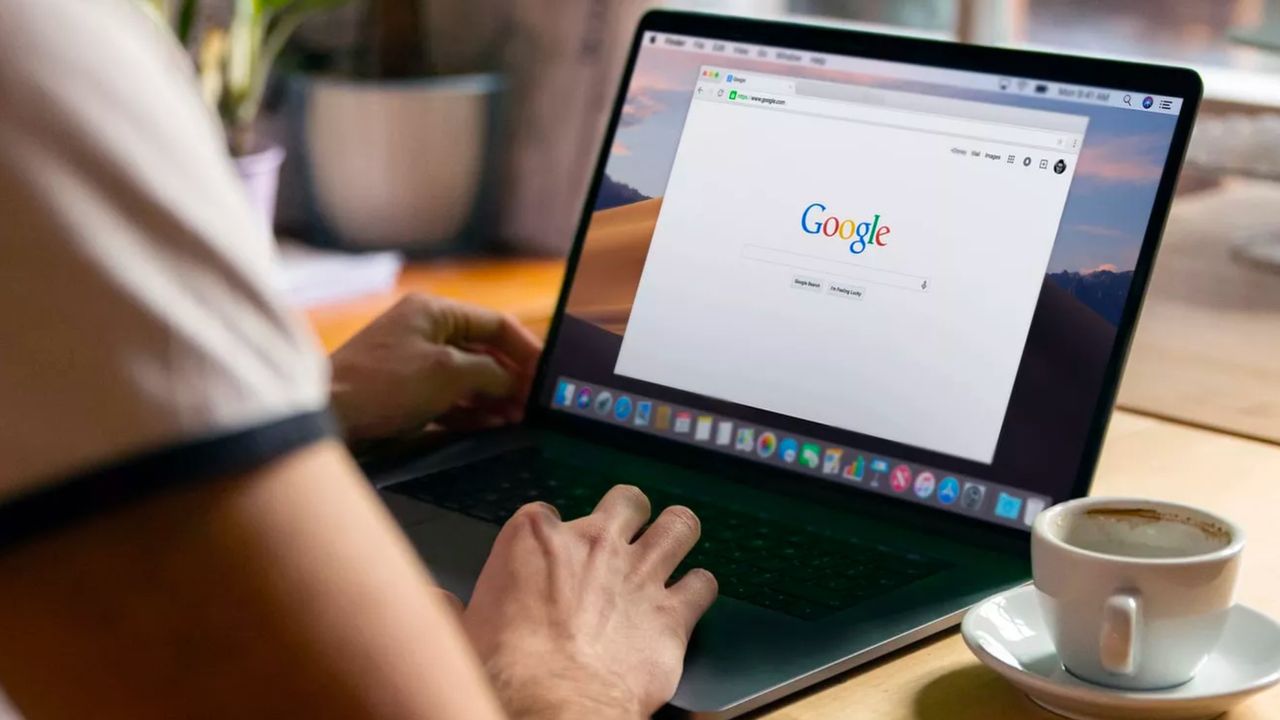
There’s a phrase quietly spreading through newsrooms and publishing Slack channels, and it sounds almost too clean to be real: Google Zero. It describes a future the web has been edging toward for a while now — one where Google’s AI-generated answers satisfy your query directly, and the websites that produced the underlying information never get the visit.
The logic is uncomfortable but simple. For two decades, the unspoken deal between Google and the open web went like this: publishers create content, Google indexes it, and in exchange Google sends readers their way. Search was a referral engine. Traffic meant ad revenue, subscriptions, survival. Now that referral loop is being short-circuited by AI summaries that read, digest and regurgitate the answer right on the results page — no click required.
Hence the name. Google Zero is shorthand for the moment a site’s referral traffic from Google effectively drops to nothing, not because the content lost relevance, but because the search engine stopped passing the reader along.
For publishers, this isn’t an abstract worry. Consider how the modern web actually funds itself:
- Ad impressions that only happen when a human lands on the page
- Affiliate clicks baked into reviews and buying guides
- Subscriptions and newsletter sign-ups seeded by first-time visitors
Strip away the clicks and every one of those models starts to wobble. An AI answer that paraphrases a painstakingly reported article delivers the value of that work to the reader while quietly cutting the creator out of the transaction.
There’s a deeper irony at play, too. The AI systems serving up these instant answers are trained on — and continuously fed by — the very content they’re rendering obsolete. If the publishers who do the original reporting, testing and writing can’t keep the lights on, the well that feeds the machine eventually runs dry. It’s the digital equivalent of eating your own seed corn.
That’s the core of the panic. It’s not that AI summaries are useless to readers; they’re often genuinely convenient. It’s that the convenience arrives by extracting value from sites that get nothing back. The web’s grand bargain assumed an exchange. Google Zero is the scenario where one side simply stops holding up its end.
Nobody knows exactly how this plays out. Some publishers are leaning into direct relationships — newsletters, apps, communities — anything that doesn’t depend on a search engine’s goodwill. Others are exploring licensing deals to get paid for the content AI models consume. And plenty are just bracing, watching their analytics dashboards for the moment the line starts bending toward zero.
What’s clear is that the open web’s economic plumbing was built for a different era. Google Zero is the industry’s blunt way of naming what happens when that plumbing gets rerouted — and asking, with growing urgency, who gets to survive on the other side.